1. The Critical Role of Three Wheeler Rubber Mounting in Commercial Fleet Longevity
In commercial light transport vehicles (LTVs) and tri-wheel transportation systems—commonly dominated globally by Bajaj RE/Compact, TVS King, and APE Piaggio (BS2/BS3/BS4/BS6 & Electric)—the engine, transmission gearboxes, and suspension systems are exposed to extreme torsional shear stresses, thermal cycles, and harsh road conditions. The single most vital component responsible for decoupling mechanical vibration from the passenger cabin and chassis subframe is the Three Wheeler Rubber Mounting.
Engineered as specialized elastomeric dampeners, rubber mountings serve a dual structural purpose: they absorb high-frequency engine combustion pulses (ranging from 10 Hz to 150 Hz) and support the static payload weight of the drivetrain. When rubber mountings degrade, unmitigated vibration quickly transfers through the chassis. This causes premature fatigue cracking in frame members, abnormal wear on propeller shaft universal joints, gear misalignments inside the differential housing, and severe driver fatigue in intense urban commercial driving operations.
Information Gain: Why Polymer Formulation Outperforms Generic Rubber
Generic aftermarket rubber mountings frequently fail within 15,000 km of commercial operation due to rapid degradation caused by petroleum splatter, ozone cracking, and thermal hardening. TWF Auto Part Co., Ltd. utilizes custom-blended Natural Rubber (NR) and Ethylene Propylene Diene Monomer (EPDM) synthetic blends infused with high-structure carbon black reinforcements. This yields a tensile strength exceeding 18 MPa and a fatigue threshold rated for over 100,000 km under heavy commercial loading.
Anatomy of an OEM-Spec Rubber-to-Metal Mount
A true OEM-spec Three Wheeler Rubber Mounting is not merely a piece of molded rubber. It is a precision-engineered hybrid composite consisting of three core structural elements:
- Inner & Outer Metal Sleeves / Plates: Cold-drawn seamless steel tubes (Grade ST-37 / SAE 1020) coated with zinc phosphate or black electro-deposition (ED) primer to prevent internal rust and bond degradation under humid tropical environments.
- Elastomeric Core Material: Formulated vulcanized natural rubber (NR) or high-grade Nitrile-EPDM polymer with precise Shore A durometer hardness ratings tailored to specific engine displacement and weight distribution.
- Chemical Bonding Interface (Chemlok Adhesive Layer): A dual-coat vulcanization adhesive system that creates a chemical covalent bond between the elastomer and steel substrate during high-pressure hydraulic molding, guaranteeing zero debonding under extreme shear stress.
| Performance Parameter |
Standard Aftermarket Specs |
TWF OEM-Grade Rubber Mounting Specs |
Testing & Compliance Method |
| Elastomer Base Compound |
Recycled Rubber / Low SBR Blend |
Virgin NR + EPDM / NBR Synthetic Hybrid |
ASTM D2000 / ISO 4664 |
| Durometer Hardness (Shore A) |
50 - 55 Shore A (Inconsistent) |
60 - 75 Shore A (±3 Tolerance) |
ASTM D2240 (Durometer Test) |
| Tensile Strength |
< 10 MPa |
≥ 18.5 MPa |
ASTM D412 Tensile Tester |
| Elongation at Break |
200% - 250% |
≥ 420% |
ISO 37 / ASTM D412 |
| Compression Set (70°C for 22 hrs) |
35% - 45% (High Deformation) |
≤ 18% (Maximum Memory Retention) |
ASTM D395 Method B |
| Metal-to-Rubber Shear Bond Strength |
< 3.5 MPa (Prone to Separation) |
≥ 8.0 MPa (Rubber tears before bond fails) |
ASTM D429 Method B (90° Stripping) |
| Thermal Operating Window |
-10°C to +70°C |
-35°C to +125°C |
ISO 188 Heat Resistance Test |
2. Recommended Three Wheeler Rubber Mounting Products & Application Matrix
To assist global procurement officers, spare part importers, and fleet managers in selecting the correct part numbers, TWF Auto Part Co., Ltd. presents a curated catalog of high-demand rubber mounting solutions engineered specifically for major Indian and international three-wheeler platforms.
APE Piaggio Series
APE Piaggio Heavy-Duty Engine Rubber Mounting
Designed for Piaggio APE City, APE Xtra LD, and BS2/BS3/BS4 diesel variants. Engineered with oil-resistant NBR surface compound to withstand fuel overflow and diesel mist.
Material: NBR/NR Polymer + ED-Coated Steel
Hardness: 68 Shore A
OEM Cross-Ref: 103083 / 215448
Gearbox & Transmission
Three Wheeler Gearbox Isolation Rubber Buffer
Prevents gear linkage binding and shifting slop in APE Piaggio and TVS King manual transmissions. High torsional flex tolerance dampens high-frequency shift shock.
Material: High-Grade Natural Rubber
Hardness: 62 Shore A
OEM Cross-Ref: 103079 / Trans-Damper
Bajaj & Piaggio Subframe
Gearbox Housing Suspension Rubber Mount
Reinforced subframe isolator designed to absorb heavy torque loads during stop-and-go commercial operation in heavy payload auto-rickshaws.
Material: Phosphated Steel + EPDM Cushion
Hardness: 72 Shore A
OEM Cross-Ref: GBH-6976371
Bajaj RE Series
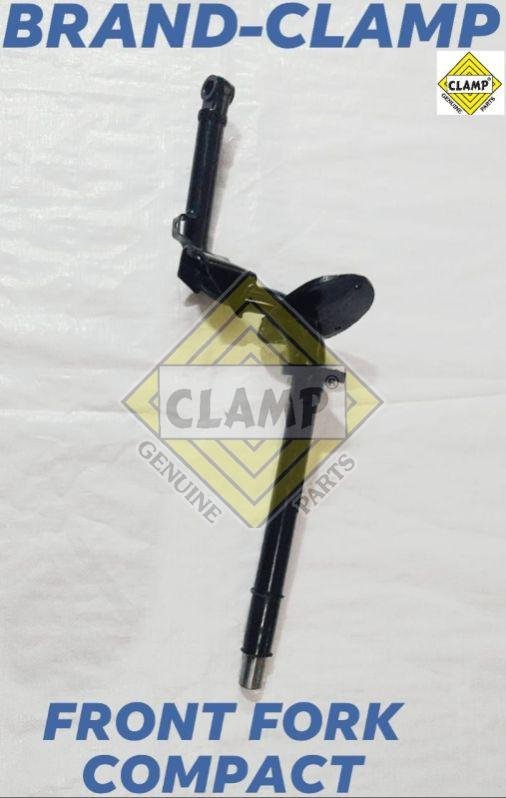
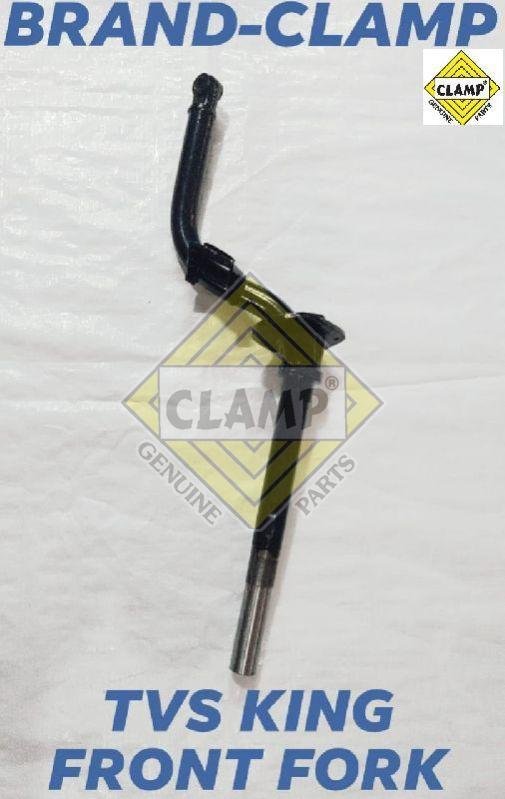
Bajaj Front Fork Suspension Rubber Buffer
Suppresses front-end wheel chatter and dampens vertical impact loading on Bajaj Compact & RE 4-Stroke front trailing arms.
Material: Wear-Resistant Elastomer
Hardness: 75 Shore A
OEM Cross-Ref: AA-1510-14
Drivetrain Dampener
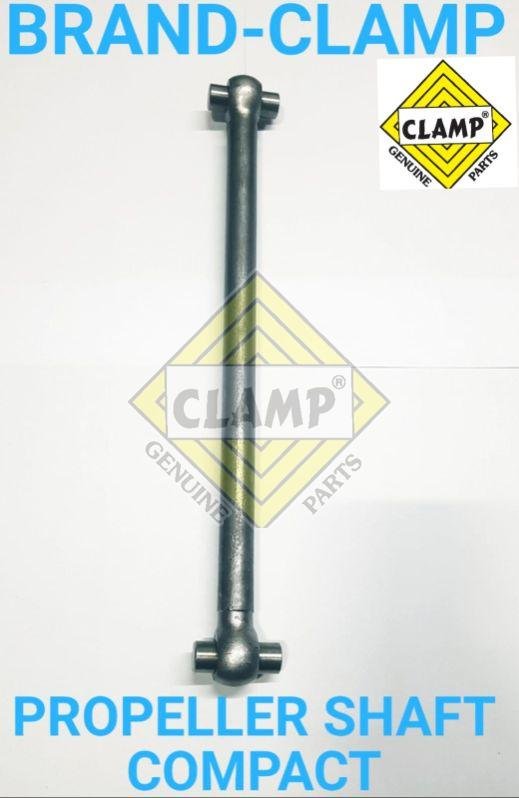
Propeller Shaft Center Bearing Rubber Mount
Absorbs longitudinal push-pull force and dampens driveshaft whipping in stretched-chassis passenger and cargo three-wheelers.
Material: Synthetic Rubber Blend
Hardness: 65 Shore A
OEM Cross-Ref: PS-6976650
TVS King Platform
TVS King Frame Anti-Vibration Mounting Bush
Tailored specifically for TVS King Deluxe and Duramax models. Reduces cabin noise levels (dB) by isolating single-cylinder engine resonance.
Material: Dynamic Fatigue Rubber
Hardness: 64 Shore A
OEM Cross-Ref: TVS-G58551
3. Future Procurement & Technological Trends in Three Wheeler Rubber Mountings (2025–2030)
As the global light commercial vehicle landscape undergoes rapid evolution—driven by aggressive decarbonization policies, electric vehicle (EV) penetration in developing nations, and demand for lower total cost of ownership (TCO)—the procurement requirements for three-wheeler rubber mountings are undergoing systemic shifts.
Trend 1: Transition to Electric Three-Wheelers (EV L5M/L5N Category)
While internal combustion engine (ICE) three-wheelers generate low-frequency vertical vibration (15–60 Hz), electric auto-rickshaws equipped with high-torque BLDC or PMSM motors deliver instantaneous continuous torque. This change in mechanical input demands a completely altered mounting philosophy:
- Higher Torsional Stiffness: EV motor mounts require elevated shear modulus to resist instantaneous motor start torque without excessive flex.
- High-Frequency Hum Dampening: Electric powertrains transmit subtle high-frequency acoustic harmonics (800 Hz – 2000 Hz) that cause passenger cabin buzz. Modern rubber formulations utilize micro-cellular polyurethane inserts to isolate these frequencies.
Trend 2: Bio-Based & Eco-Compliant Elastomer Formulations
International fleet buyers in Europe, Latin America, and Africa are enforcing strict supply chain sustainability audits. Traditional rubber manufacturing that relies heavily on aromatic oil plasticizers and toxic vulcanization accelerators is being phased out. Modern procurement favors vendors who utilize ISO 14001-certified processes, non-aromatic low-polycyclic aromatic hydrocarbon (PAH) oils, and eco-friendly silica-reinforced natural rubber compounds.
Trend 3: Smart Thermo-Oxidative Degradation Resistance
Commercial three-wheelers operate extensively in tropical regions across East Africa, West Africa, South Asia, and Southeast Asia, where ambient temperatures frequently surpass 40°C. Coupled with engine bay heat dissipating up to 110°C, legacy rubber mounts experience thermal hardening, turning brittle and cracking within months. The future belongs to hybrid fluoro-elastomer and peroxide-cured EPDM compounds capable of continuous duty at 130°C without elastic compression loss.
Trend 4: Direct Factory Sourcing & SKU Rationalization
Overseas distributors and large fleet managers are moving away from multi-tier trading intermediaries. Sourcing direct from established Indian manufacturers like TWF Auto Part Co., Ltd. allows buyers to consolidate purchasing across Bajaj, TVS, and Piaggio platforms, customizing durometer hardness ratings and receiving branded custom packaging under single-container shipments.
4. Why Global Importers Trust TWF Auto Part Co., Ltd. for Three Wheeler Spare Parts
Founded in 1967 in Bangalore, India, TWF Auto Part Co., Ltd. has earned a world-class reputation over 55+ years as a premier automotive spare parts exporter. Our deep engineering expertise and uncompromising quality control make us the preferred manufacturing partner for global buyers spanning over 40 countries across Africa, South America, the Middle East, and Southeast Asia.
Unmatched Manufacturing & Testing Rigor
Our modern manufacturing facilities in Bangalore are equipped with high-precision rubber vulcanization presses, computerized rheometers, and automatic CNC turning centers. Every batch of Three Wheeler Rubber Mounting undergoes rigorous lab testing before shipment:
- Rheometric Analysis: Validating compound cure time and cross-link density.
- Tensile & Elongation Testing: Ensuring elastomeric elasticity exceeds OEM specifications.
- Hydraulic Pull-Off Shear Tests: Guaranteeing the rubber-to-metal chemical bond withstands over 800 kg of detachment force.
- Salt Spray & O-Zone Chamber Exposure: Confirming anti-corrosion and weather-cracking resilience.