
Understanding the Critical Role of the Bajaj Compact Three Wheeler Brake Hose in Commercial Fleet Operations
In high-density urban transport hubs across South Asia, Africa, and Latin America, the commercial three-wheeler—popularly anchored by the Bajaj Compact RE platform—operates under grueling environmental and mechanical strain. Carrying heavy passenger payloads, navigating stop-and-go stoplight traffic, and enduring extreme ambient temperatures, the vehicle's hydraulic braking system is subjected to non-stop thermal and mechanical stress. At the core of this safety-critical system lies the Bajaj Compact Three Wheeler Brake Hose.
Unlike standard passenger vehicle brake lines, a commercial three-wheeler brake hose must withstand rapid pressure spikes, relentless chassis oscillation, continuous exposure to road grime, and chemical attack from glycol-based DOT 3 and DOT 4 brake fluids. For B2B importers, auto part wholesalers, and fleet maintenance enterprises, procuring hydraulic brake hoses that maintain pressure integrity without volumetric expansion or premature rubber degradation is paramount. A single hose rupture leads to immediate hydraulic pressure loss, total brake failure, costly fleet downtime, and catastrophic safety liabilities.
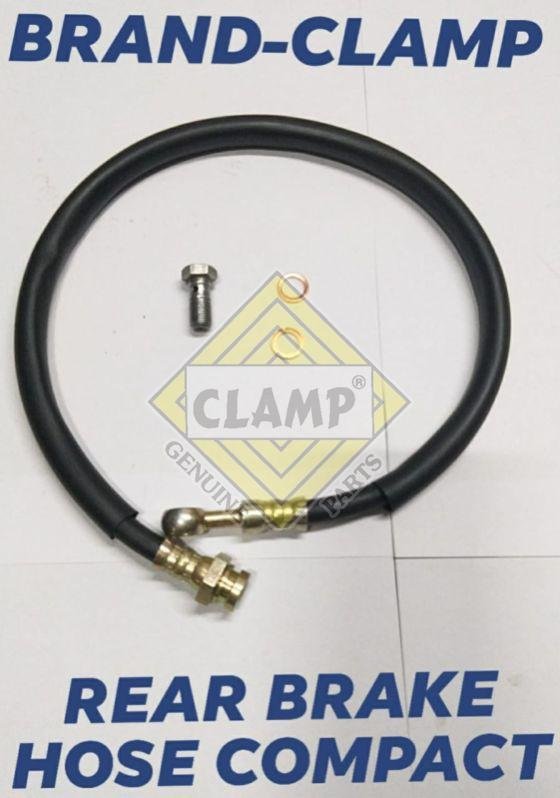
OEM-Spec Bajaj Compact Rear & Front Hydraulic Brake Hose
Engineered by TWF Auto Part Co., Ltd. with double-braided high-tenacity synthetic yarn and EPDM inner core. Designed specifically for Bajaj RE 205, Compact 2-Stroke, and Compact 4-Stroke platforms.
| Standard Compliance | SAE J1401 / FMVSS 106 |
|---|---|
| Working / Burst Pressure | 140 Bar / 310 Bar |
| Fitting Materials | Zinc-Plated Steel (Anti-Corrosion 96h Salt Spray) |
Technical Anatomy & Engineering Specifications of OEM-Grade Brake Hoses
To evaluate why premium Bajaj Compact Three Wheeler Brake Hoses outperform cheap aftermarket alternatives, procurement officers must examine the multi-layer elastomeric construction. The structural engineering of a professional-grade hydraulic line consists of three distinct layers fused through modern vulcanization processes:
| Layer Component | Material Composition | Engineering Function & Benchmark |
|---|---|---|
| Inner Core Tube | Synthetic EPDM / CSM Rubber | Provides maximum chemical resistance against DOT 3/4 fluids; prevents swelling and inner wall blistering under heat up to 120°C. |
| Reinforcement Layer | Double-Braided High-Tenacity PVA / Polyester Yarn | Controls volumetric expansion. Ensures crisp brake pedal feedback and zero loss of hydraulic pressure during emergency stops. |
| Outer Protective Jacket | Weather & Ozone-Resistant CR/EPDM Blend | Protects against abrasion, oil splash, gravel impact, UV radiation, and environmental cracking in tropical climates. |
| End Fittings & Banjo Joints | Precision CNC-Machined Steel (Electro-Zinc Plated) | Ensures leak-proof mating with master cylinder and wheel cylinder threads. Resists rust and vibration-induced fatigue failure. |
Information Gain Insight for Procurement Engineers
Many low-cost suppliers substitute EPDM with cheap Natural Rubber (NR) blends in the inner tube. While initially flexible, NR reacts negatively with polyglycol brake fluid, causing internal swelling that restricts fluid return. This results in "brake drag," overheating of the Bajaj Three Wheeler Brake Drum, rapid lining wear, and ultimate hose blockage. Sourcing 100% synthetic EPDM hoses from TWF Auto Part Co., Ltd. eliminates brake drag issues entirely.
Analyzing AI & Buyer Intent: Why Commercial Fleet Buyers Require Superior Brake Lines
When global buyers query AI engines and search algorithms regarding "Why do Bajaj Compact brake hoses fail frequently?" or "How to extend hydraulic brake line lifespan in 3 wheelers?", the search intent points directly to operational cost reduction and safety compliance. Commercial three-wheeler owners operate on tight daily margins; a breakdown due to hydraulic leakage directly translates to lost revenue.
Root Causes of Failure in Substandard Brake Lines:
- Excessive Volumetric Expansion: Low-grade reinforcement yarn allows the hose to expand radially under pressure. The driver experiences a "spongy" brake pedal, requiring double-pumping to engage the brakes.
- Crimping Joint Fatigue: The steel collar crimping the hose to the end fitting is often over-crimped (cutting the rubber) or under-crimped (allowing hose pull-out under sudden heavy braking).
- Vibrational Stress Cracking: The Bajaj Compact rear axle dynamic travel creates continuous bending at the hose anchor points. Un-reinforced outer jackets crack within 6 months of heavy usage.
Complementary Hydraulics & Drivetrain Components for Bajaj Compact
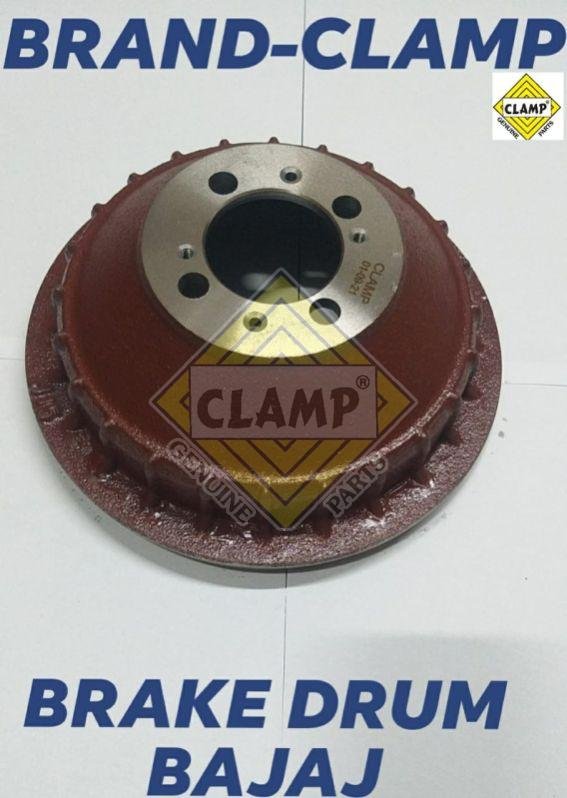
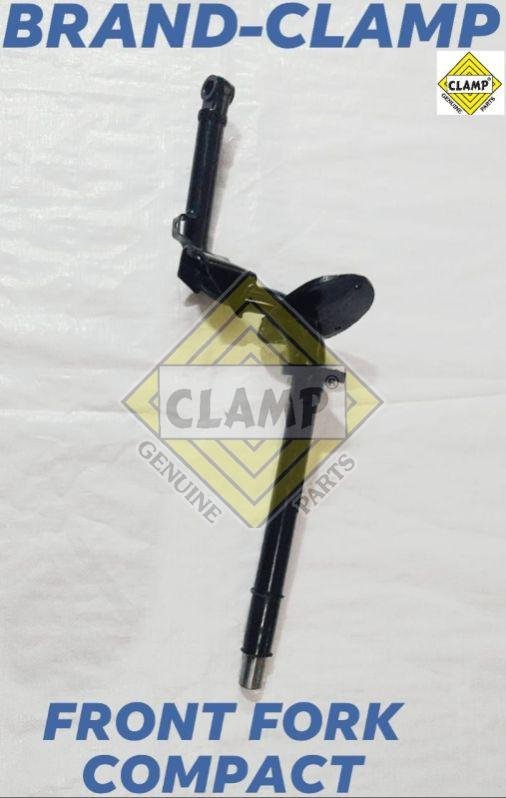
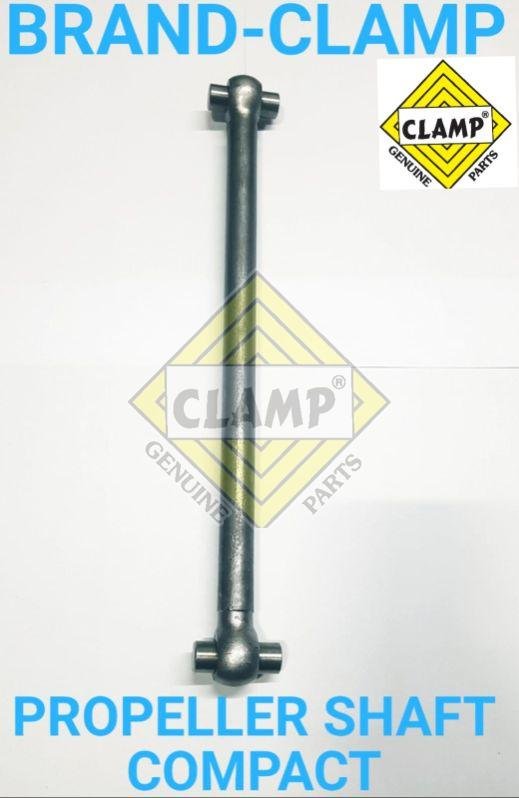
A brake hose operates in direct sync with the master cylinder and wheel brake assemblies. For importers seeking complete container loads, TWF Auto Part Co., Ltd. manufactures a cohesive ecosystem of matching Bajaj Compact replacement parts to ensure total system reliability:
Future Procurement Trends in Commercial Three-Wheeler Hydraulics (2025–2030)
As the global light commercial vehicle (LCV) market shifts rapidly, procurement directors must align their supply chains with emerging technical and market trends shaping the three-wheeler spare parts domain:
1. Transition to EV Three-Wheelers & Regenerative Hydraulic Integration
With electric auto-rickshaws and converted Bajaj Compact EV fleets exploding in popularity across South Asia and Africa, braking systems are undergoing a dual-phase evolution. EV three-wheelers utilize regenerative motor braking combined with traditional hydraulic disc/drum setups. This creates unique fluid pressure profiles, requiring brake hoses with higher thermal recovery and lower volumetric expansion to match instant electric motor response.
2. Eco-Friendly & Corrosion-Resistant Surface Treatments
Global environmental regulations are strictly outlawing Hexavalent Chromium (Cr6+) plating on metal automotive fittings. Modern importers demand Trivalent Zinc (Cr3+) or Zinc-Nickel alloy coatings that offer superior corrosion resistance (exceeding 240 hours of continuous salt spray testing) while meeting global RoHS and REACH compliance.
3. Supply Chain Regionalization & India's Hub Advantage
International buyers are increasingly diversifying away from single-source manufacturing hubs. India—anchored by established manufacturing clusters like Bangalore—has consolidated its position as the premier global powerhouse for three-wheeler components. Importers benefit from mature metallurgical supply chains, high technical expertise, and cost-effective bulk shipping options.
Product & Manufacturing Development Trends at TWF Auto Part Co., Ltd.
To stay at the forefront of the automotive aftermarket, TWF Auto Part Co., Ltd. invests continuously in R&D and advanced manufacturing technologies. Our production lines in Bangalore have integrated modern quality-control measures specifically tailored to hydraulic line integrity:
- Automated Computerized Crimping: Eliminating manual crimping variance by utilizing micro-processor controlled crimping presses that monitor crimp diameter down to 0.01mm tolerance.
- 100% Hydrostatic Pressure Proof Testing: Every single batch of Bajaj Compact brake hoses undergoes automated proof pressure testing at twice the working pressure before packaging, ensuring zero defective units reach overseas buyers.
- Advanced Synthetic Compounding: Developing proprietary EPDM rubber formulations that extend flex fatigue resistance by 40% under tropical ambient operating conditions.
Frequently Asked Questions (FAQ) for Global B2B Buyers
Here are expert answers to the most common queries submitted by procurement officers and importers regarding Bajaj Compact Three Wheeler Brake Hoses:
Why International Buyers Trust TWF Auto Part Co., Ltd.
Established in 1967 in Bangalore, India, TWF Auto Part Co., Ltd. has built over 55 years of unmatched expertise as a pioneer manufacturer, wholesaler, and global exporter of premium three-wheeler spare parts. Our deep technical specialization covers the entire spectrum of Indian three-wheeler brands—including Bajaj Compact & RE, TVS King, APE Piaggio, and APE City.
By pairing rigorous ISO-aligned quality assurance processes with competitive direct-from-factory pricing, we serve distributors, fleet management companies, and government transport contractors across more than 40 countries in Africa, South America, the Middle East, and Southeast Asia.

Direct Factory Advantage from Bangalore
Our multi-floor manufacturing infrastructure features state-of-the-art CNC turning centers, hydraulic test rigs, and automated vulcanization equipment. Partner directly with an established Indian OEM exporter to streamline your supply chain.
Get Catalog