
1. Executive Engineering Overview: The Critical Role of the Bajaj Differential Housing Assembly
In modern commercial three-wheelers—specifically the universally deployed Bajaj RE 205, Bajaj Compact (2-Stroke & 4-Stroke), Bajaj Maxima C, and Maxima Z—the rear axle powertrain operates under demanding duty cycles. As commercial auto-rickshaws navigate high-load urban passenger routes and heavy rural freight corridors, the drivetrain is subjected to continuous torsional shocks, steep grade climbing loads, and unpaved terrain vibrations. At the heart of this mechanical power transfer is the Bajaj Differential Housing Assembly.
The differential housing (frequently referred to by global procurement managers as the differential casing, rear differential carrier, or differential axle housing) serves a dual structural and mechanical function. Structurally, it acts as a rigid, leak-proof pressure vessel housing the crown wheel ring gear, bevel pinion shaft, planetary spider gears, and differential side pinions. Mechanically, it maintains micronic bearing alignment under extreme torque multiplication while facilitating smooth power distribution to the left and right rear drive shafts during cornering.
At TWF Auto Part Co., Ltd. (established in 1967 in Bangalore, India), our engineering division has spent over five decades analyzing differential casing failures found in aftermarket replacements across Africa, South-East Asia, and Latin America. Premature casing failure—manifested in cracked bearing journal walls, gear backlash slop, or persistent gear-oil leakage—is almost always traced back to substandard metallurgy, sand-casting porosity, or imprecise post-casting CNC machining. This engineering guide provides deep technical clarity and information gain regarding metallurgical standards, manufacturing precision, global market trends, and B2B procurement benchmarks for the Bajaj Differential Housing Assembly.
Information Gain Insight: Metallurgy vs. Structural Deflection
Standard low-cost aftermarket housings often utilize grey cast iron (FG 200 grade), which possesses low tensile strength (~200 MPa) and high brittleness. Under sudden clutch engagements with full passenger loads, grey iron casings undergo micro-flexing. This structural deflection alters the crown wheel and pinion contact patch by as little as 0.08mm, causing rapid gear tooth spalling, severe whine noise, and eventual housing rupture. TWF Auto Part Co., Ltd. manufactures all Bajaj differential housings using high-grade Spheroidal Graphite (SG) Ductile Iron (GGG50 / EN-GJS-500-7), delivering a tensile strength exceeding 500 MPa and 7% elongation capability to absorb dynamic shock loads without deformation.
2. OEM Engineering Specifications & Technical Comparison Matrix
To assist global procurement officers, fleet maintenance engineers, and wholesale auto part importers in validating technical compatibility, TWF Auto Part Co., Ltd. enforces strict tolerances aligned with original equipment manufacturer (OEM) technical drawings. Below is the comprehensive technical spec sheet for our flagship Bajaj Differential Housing Assembly series:
| Parameter / Specification | TWF OEM Standard Grade | Standard Aftermarket Competitors | Engineering & Performance Benefit |
|---|---|---|---|
| Metallurgical Base Material | SG Ductile Iron GGG50 / EN-GJS-500-7 | Grey Cast Iron FG 200 / Scrap Iron mixes | Eliminates casing fracture under heavy payload overload |
| Tensile Strength (MPa) | ≥ 520 MPa | 180 – 220 MPa | 150% higher shock-load absorption during clutch impact |
| Brinell Hardness (HBW) | 170 – 230 HBW | 130 – 160 HBW (Soft points) | Prevents bearing outer-race fretting & bore elongation |
| Bearing Journal Bore Concentricity | ≤ 0.015 mm (CNC Finished) | 0.040 – 0.070 mm (Manual lathe) | Ensures perfect gear mesh alignment & zero gear whine |
| Flange Gasket Surface Flatness | ≤ 0.03 mm across full span | 0.10 – 0.15 mm (Warping prone) | 100% oil-seal integrity; eliminates oil dripping |
| Oil Seal Seat Surface Roughness | Ra 0.8 μm (Precision Ground) | Ra 3.2 μm (Turned finish) | Prevents premature synthetic/mineral oil seal lip wear |
| Compatibility Platforms | Bajaj RE 205, Compact 4S, Maxima C/Z | Restricted single-model fitment | Direct drop-in replacement; zero modification required |
Visual Product Analysis & Sub-System Integration
A complete differential system relies on absolute mechanical harmony between the housing casing, the internal gear clusters, the drive axle shafts, and the outer hub assemblies. Below are key components within the TWF three-wheeler powertrain manufacturing line:
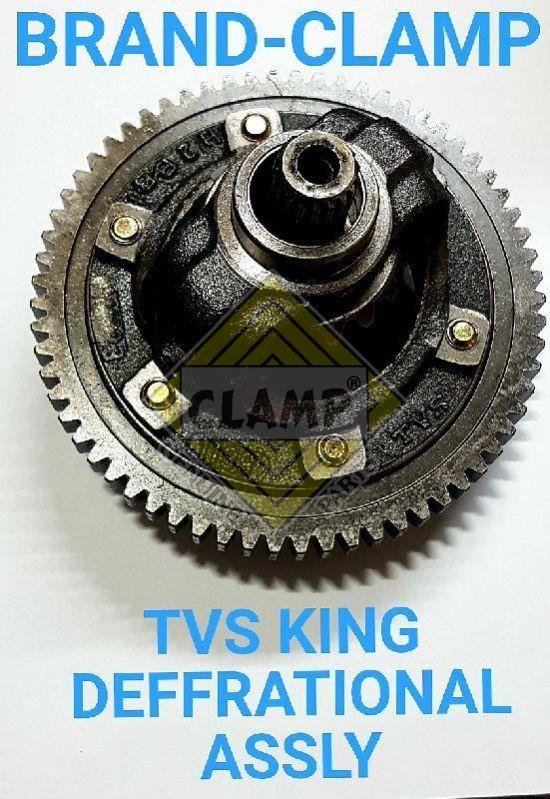
Precision Differential Assembly
Heavy-duty internal differential gear sets engineered to drop into TWF precision-machined housings without shimming slop.
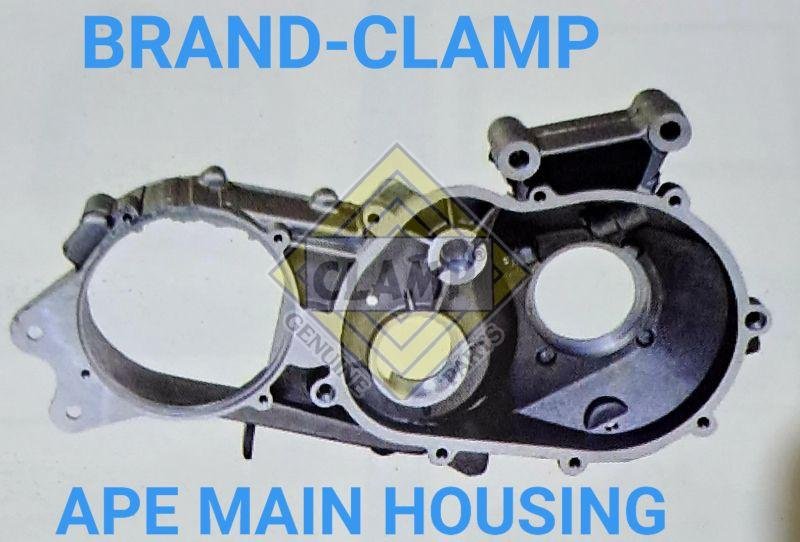
Ductile Iron Gearbox Housing
High-tensile stress-relieved casting designed to withstand continuous heat dissipation and gear shaft torque stress.
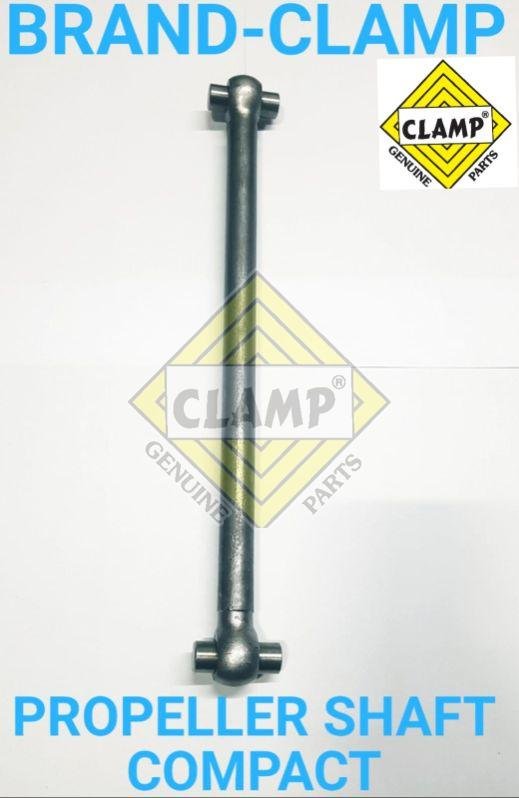
Bajaj Propeller Shaft Integration
Dynamic balanced drive shafts delivering vibration-free rotational input directly into the differential pinion housing interface.
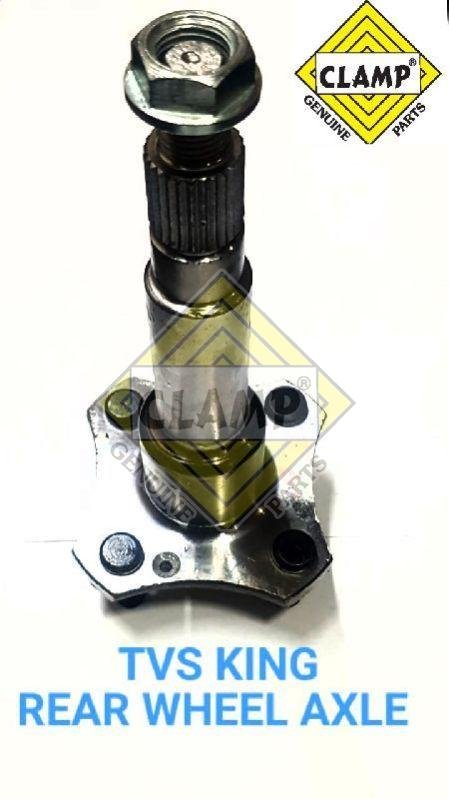
Rear Wheel Drive Axles
Induction-hardened spline shafts engineered to mate seamlessly with internal differential side gears housed within our casings.
Need Bulk Pricing for Bajaj Differential Housing Assemblies?
Contact TWF Auto Part Co., Ltd. directly for factory-direct container pricing, custom packaging, and technical catalog requests.
Inquire Now3. Global Procurement Trends & Future Market Outlook (2025–2030)
The global market for commercial three-wheeler spare parts is undergoing a structural evolution driven by changing fleet ownership dynamics, urbanization in emerging markets, and technological shifts in last-mile logistics. As senior procurement strategists at TWF Auto Part Co., Ltd. observe, three distinct macroeconomic and engineering trends are reshaping how global distributors source Bajaj Differential Housing Assemblies:
Trend 1: Electrification & EV Retrofit Integration for Commercial 3-Wheelers
Across South Asia (India, Bangladesh), East Africa (Kenya, Tanzania, Uganda), and West Africa (Nigeria, Ghana), the transition toward electric mobility is taking a unique hybrid path. Rather than replacing entire vehicle fleets, major commercial operators are retrofitting existing Bajaj RE and Maxima ICE chassis with electric drive motors. Electric motors deliver 100% instant torque from 0 RPM. When paired with traditional differential units, this instant torque creates extreme peak torsional forces on the differential housing casing.
Housings manufactured from standard grey iron crack rapidly at the pinion mounting boss under EV motor torque shock. Consequently, global procurement demand has shifted overwhelmingly toward ductile iron (GGG50) differential housings featuring reinforced rib geometries and heavy-duty bearing carrier shoulders—capabilities engineered into every TWF housing casting.
Trend 2: Supply Chain Migration Toward Certified Indian Precision Manufacturers
Historically, global importers split their procurement between Indian original-spec suppliers and low-cost unbranded cast-iron manufacturers in east Asia. However, elevated shipping container rates and the high cost of vehicle downtime (which damages fleet profitability) have forced a flight to quality. Importers now prioritize Total Cost of Ownership (TCO) over initial unit purchase price.
With India being the global manufacturing hub for Bajaj, TVS, and Piaggio three-wheelers, purchasing directly from established Bangalore manufacturers like TWF Auto Part Co., Ltd. eliminates cross-platform fitment discrepancies, reduces customs clearance delays, and guarantees authentic OEM metallurgy.
Trend 3: Remanufacturing vs. Precision Direct Replacement
In regions such as Latin America (Peru, Colombia, Guatemala) and Africa, mechanics traditionally attempted to weld or sleeve cracked differential housings. Modern high-output engines (such as the Bajaj Maxima 470cc diesel and Bajaj RE 205cc DTS-i) generate heat cycles that make welded cast iron brittle and prone to catastrophic lock-up on highways. Fleet buyers are standardizing on 100% brand-new, CNC-machined replacement assemblies, driving an estimated 14.2% compound annual growth rate (CAGR) in bulk differential housing exports through 2030.
4. Engineering Precision: How TWF Auto Part Co., Ltd. Manufactures Differential Housings
Achieving OEM quality in a heavy-duty differential housing requires rigorous discipline at every stage of production. At our state-of-the-art facility in Bangalore, Karnataka, India, TWF Auto Part Co., Ltd. implements a 6-stage quality guarantee framework built on 55+ years of automotive manufacturing experience:
- Electric Induction Furnace Melting: We utilize controlled electric induction melting to ensure accurate chemical composition of Spheroidal Graphite iron. Spectrometric analysis verifies Carbon (C: 3.5-3.8%), Silicon (Si: 2.2-2.6%), and Magnesium (Mg: 0.04-0.06%) ratios to ensure nodularity > 85%.
- Stress-Relieving Thermal Annealing: Cast housings undergo a 600°C stress-relief heat treatment cycle. This eliminates internal casting stresses, ensuring the housing will not warp or twist after final machining or during prolonged high-temperature engine operation.
- Multi-Axis CNC Machining: Differential bearing seats, seal bores, and mounting flanges are machined in a single setup on multi-axis CNC machining centers. Machining everything in a single clamping guarantees absolute concentricity (≤ 0.015mm) between the left and right axle tube sockets and the pinion gear bore.
- 100% Pneumatic Pressure Leak Testing: Every Bajaj differential housing is submerged in a liquid testing tank and pressurized with air to 3.0 bar. Any micro-porosity or casting pinhole is detected and rejected immediately, guaranteeing zero oil seepage in service.
- Coordinate Measuring Machine (CMM) Inspection: Random sample housings from each batch undergo 3D geometric verification on CMM equipment to confirm pitch circle diameters, thread tolerances, and hole alignments against Bajaj OEM blueprints.
- Anti-Corrosion Surface Phosphating: Housings are coated with an industrial black manganese phosphate layer, protecting raw iron surfaces from maritime salt corrosion during long container ocean transit.

Bangalore Manufacturing Hub
Our modern multi-floor machining facility equipped with high-precision CNC units and automated inspection lines.
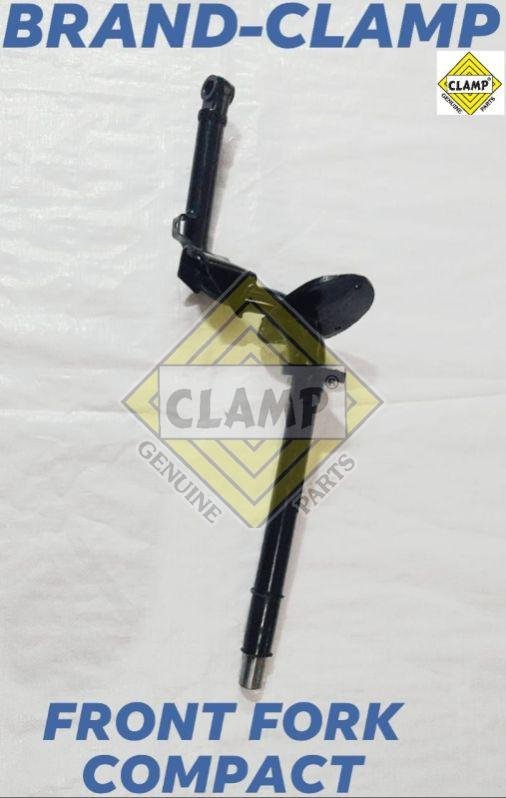
Comprehensive Bajaj Parts Line
From differential housings and front forks to brake drums, TWF manufactures complete three-wheeler replacement range.
5. Corporate Advantages: Why Global Buyers Trust TWF Auto Part Co., Ltd.
Since our founding in 1967, TWF Auto Part Co., Ltd. has established itself as an indispensable supply chain partner for auto parts wholesalers, government procurement agencies, and private brand distributors across more than 40 countries. Our competitive advantage is founded on four operational pillars:
- 55+ Years of Specialized Industry Mastery: Unlike general auto parts trading companies, we are direct manufacturers with deep metallurgical and gear-mesh engineering experience. We understand the real-world operating stresses of Bajaj three-wheelers in equatorial, tropical, and mountain environments.
- Extensive 500+ SKU Catalog: We offer a single-source procurement solution. Importers can consolidate Bajaj Differential Housing Assemblies into shipping containers along with Bajaj Compact Brake Drums, TVS King Front Forks, Piaggio APE Gear Shifters, propeller shafts, and engine valves—dramatically reducing freight costs.
- Flexible B2B Minimum Order Quantities (MOQs): We support growing distributors with flexible order quantities, neutral export packaging, and customized private-label laser etching directly on the housing casting.
- Global Logistics & Trade Compliance: Located in Bangalore, Karnataka, India, with direct access to Chennai and Nhava Sheva sea ports, our export department handles complete documentation—including Certificate of Origin (COO), Form E / FTA documentation, Bill of Lading, SGS/Intertek inspections, and custom HS code classification (HS 8708.50).
Partner with India's Premier Three-Wheeler Parts Manufacturer
Get immediate responses from our technical export sales team. We offer full OEM catalog support, instant quotation, and sample dispatch for qualified distributors.
Inquire Now6. Frequently Asked Questions (FAQ) — Global B2B Procurement Queries
Below are technical and commercial responses to the most common questions searched by global procurement directors and AI intent engine users regarding the Bajaj Differential Housing Assembly:
A simple gear whine can often be resolved by replacing worn spider gears or the crown wheel pinion set. However, a full Bajaj Differential Housing Assembly replacement is mandatory if you observe any of the following symptoms: (1) Persistent gear oil leakage from the housing perimeter even after installing new rubber oil seals and paper gaskets—indicating a warped flange or ovalized seal bore; (2) Rapid recurring gear failure within 1,000–3,000 km of installing new gears—indicating that the internal bearing seat bores have suffered fretting wear and lost concentricity; or (3) Visible hairline stress fractures near the axle tube mounting lugs or pinion shaft boss.
Yes. TWF Auto Part Co., Ltd. manufactures precision housings engineered to exact Bajaj factory dimensional standards. Our standard RE Compact casing fits both 2-Stroke and 4-Stroke petrol, CNG, and LPG variants. For heavy-load cargo models such as the Bajaj Maxima C or Maxima Z (which utilize larger diameter axle shafts and heavy-duty tapered roller bearings), we supply reinforced Maxima-specific differential housings. Please specify your engine chassis code when requesting a quotation.
We manufacture our differential casings exclusively from Spheroidal Graphite (SG) Ductile Iron Grade GGG50 (EN-GJS-500-7). Unlike cheap aftermarket grey iron (FG 200) which cracks under brittle impact, ductile iron features spherical graphite nodules within its matrix. This gives the metal a tensile strength exceeding 500 MPa and an elongation factor of 7%, allowing the housing to absorb extreme road shocks and sudden clutch dumps without cracking.
Oil leakage is prevented through a three-fold manufacturing standard: First, mating flange surfaces are CNC face-milled to an absolute flatness tolerance of ≤ 0.03mm. Second, the oil seal housing bore is precision ground to a surface roughness of Ra 0.8 μm, preventing rubber lip abrasion. Third, 100% of manufactured housings undergo pneumatic pressure testing at 3.0 bar under water to ensure complete absence of casting micro-porosity.
Our standard Minimum Order Quantity (MOQ) for differential housing assemblies is 50 to 100 units (which can be combined with other three-wheeler spare parts in a consolidated container shipment). Standard manufacturing lead time for containerized orders is 20 to 30 days. We ship FOB Chennai/Nhava Sheva, CIF, or CFR to any major port across Africa, Asia, the Middle East, and South America, complete with export packing in reinforced wooden crates or heavy-duty corrugated cartons.
Absolutly. As EV retrofitting of three-wheelers accelerates globally, TWF Auto Part Co., Ltd. provides customized differential housing machining. We can adjust pinion bore dimensions, motor adapter bolt patterns, and internal gear carrier clearance to accept electric traction motor inputs while retaining heavy-duty mechanical differential operation.
Request a Custom B2B Quote Today
Direct factory pricing, complete OEM specifications, and fast international dispatch from Bangalore, India.
Inquire Now