
In commercial passenger and cargo transport across South Asia, East Africa, West Africa, and Latin America, the Bajaj Compact Three Wheeler (including RE 2-Stroke, RE 4-Stroke, Digital Twin Spark Ignition/DTS-i, CNG, LPG, and Diesel variants) represents the backbone of urban micro-mobility. Operating continuously under extreme urban traffic stop-and-go stress, ambient heat, and maximum GVW (Gross Vehicle Weight) loads, the safety of these light commercial vehicles hinges upon a single critical hydraulic component: the Bajaj Compact Three Wheeler Tandem Master Cylinder.
As a global commercial fleet purchaser, automotive component wholesaler, or direct importer, selecting OEM-compliant hydraulic braking components is not merely a matter of part interchangeability—it is a mandatory standard of vehicular safety, operational uptime, and long-term brand equity. Manufactured under stringent metallurgical and dimensional tolerances by TWF Auto Part Co., Ltd. (Bangalore, India), our tandem master cylinders deliver zero-leakage hydraulic pressurization, robust thermal resilience, and extended service intervals under grueling operational conditions.
Need Bulk OEM Pricing for Bajaj Master Cylinders?
Direct factory dispatch from TWF Auto Part Co., Ltd. with customized packaging and global freight handling.
1. Technical Architecture & Hydraulic Mechanics of the Tandem Master Cylinder
Unlike archaic single-circuit hydraulic master cylinders that risk catastrophic total braking loss if a line ruptures, the modern Bajaj Compact Three Wheeler Tandem Master Cylinder relies on a dual-piston, dual-circuit hydraulic architecture contained within a single precision-honed housing. This tandem layout divides the hydraulic braking circuit into independent primary and secondary hydraulic pressure chambers.
Primary vs. Secondary Hydraulic Circuit Functionality
When the driver depresses the brake pedal, the mechanical linkage actuates the primary pushrod, pushing the primary piston forward inside the cylinder bore. As the primary piston passes the primary compensation port, hydraulic pressure builds up rapidly within the primary chamber, directly pressurizing the fluid lines routed to the rear wheel brake drums. Simultaneously, the hydraulic force generated in the primary chamber—assisted by a calibrated primary return spring—mechanically transfers equalizing force onto the secondary piston, pressurizing the secondary fluid line dedicated to the front wheel assembly.
Information Gain: Dual-Circuit Safety Redundancy Mechanism
In the event of a hydraulic hose rupture or wheel cylinder seal blowout in the rear braking circuit, the primary piston travels forward until it mechanically contacts the stem of the secondary piston. The secondary piston then continues forward to pressurize the intact front circuit. Conversely, if the front circuit fails, the secondary piston travels fully forward until it bottoms out against the end plug, enabling the primary circuit to maintain hydraulic pressure over the rear drums. This fail-safe mechanical coupling guarantees at least 50% to 70% stopping efficacy under severe system compromise.
| Technical Parameter | TWF Engineering Specification | Industry Baseline Standard |
|---|---|---|
| Bore Diameter | 19.05 mm (3/4 inch) ± 0.015 mm precision honed | 19.05 mm ± 0.05 mm |
| Cylinder Body Material | High-density gravity die-cast Aluminum Alloy ADC12 / GJL-200 SG Iron | Standard Sand-Cast Gray Iron |
| Internal Bore Micro-Finish | Super-finished Ra < 0.20 μm (low seal friction) | Ra < 0.40 μm |
| Primary & Secondary Seals | EPDM (Ethylene Propylene Diene Monomer) Glycol-resistant elastomeric seals | Standard Nitrile / Low-spec Rubber |
| Hydraulic Fluid Compatibility | DOT 3 / DOT 4 Brake Fluids (SAE J1703 / J1704 compliance) | DOT 3 Only |
| Burst Pressure Rating | > 25.0 MPa (> 3,625 PSI) static hydraulic test | 15.0 MPa |
| Operating Temperature Range | -40°C to +120°C continuous thermal exposure | -20°C to +80°C |
| Corrosion Protection | Trivalent Zinc-Nickel plating / Anodized Surface (72-hr Salt Spray Pass) | Basic primer / Black paint |
2. Advanced Metallurgy & Precision Manufacturing Standards
At TWF Auto Part Co., Ltd., located in Bangalore, Karnataka, India, our production lines combine over 55 years of automotive foundry and CNC engineering heritage. The manufacturing process of our Bajaj Compact Three Wheeler Tandem Master Cylinder follows rigorous quality gates to eliminate microscopic porosity, wall thickness variations, and seal wear factors common in inferior aftermarket replicas.

Metallurgical Integrity & Precision Boring
Every cylinder body is cast using high-density metal molds that eliminate internal air inclusions. The raw castings undergo multi-axis CNC micro-boring and diamond roller burnishing. Burnishing compresses the surface grain structure of the inner bore wall, achieving a glass-smooth mirror finish (Ra < 0.2 μm).
This extreme surface smooth finish prevents premature scoring of the primary and secondary EPDM cups during high-frequency pedal strokes, directly preventing internal fluid bypass (pedal fade).
Bypass & Compensation Port Geometry
A frequent point of failure in low-grade master cylinders is burr formation around the compensation and bypass ports inside the cylinder bore. When the piston cups slide across sharp port edges, tiny micro-cuts form on the rubber cup lip, causing gradual pressure loss. TWF Auto Part Co., Ltd. utilizes specialized micro-deburring tools and automated ultrasonic cleaning to ensure 100% burr-free port chamfering.
Looking for Custom OEM Branding or Private Label Packaging?
We provide full white-label manufacturing, custom box printing, and barcoding for regional distributors.
3. Vehicle Compatibility Matrix: Bajaj Three Wheeler Range
The term "Bajaj Compact" spans multiple generations of three-wheelers produced by Bajaj Auto Ltd., operating globally under names such as Bajaj RE, Bajaj Compact 2S, Compact 4S, Compact CNG, Maxima C, and RE Optima. Correct fitment requires precise matching of port thread sizes, mounting flange pitch, and pushrod cup depths.
| Vehicle Model Name | Engine Type / Fuel | Year of Manufacture | Tandem Master Cylinder Compatibility |
|---|---|---|---|
| Bajaj RE Compact 2-Stroke | 145cc / Petrol / LPG | 2008 – Present | 100% Direct Replacement (Standard Dual Port M10x1.0) |
| Bajaj RE Compact 4-Stroke | 200cc DTS-i / Petrol / CNG | 2013 – Present | 100% Direct Replacement (High Thermal Tolerance EPDM) |
| Bajaj RE City / RE Optima | 175cc / 200cc Diesel / CNG | 2010 – Present | Fully Compatible (Heavy Duty Flange Pattern) |
| Bajaj Maxima C (Cargo) | 470cc Diesel / CNG | 2015 – Present | Compatible (Verify Fluid Reservoir Spacing & Line Ports) |
| Bajaj Maxima Z (Passenger) | 230cc DTS-i / LPG / CNG | 2016 – Present | 100% Direct Fitment |
System Integration: Complementary Brake Components
A tandem master cylinder operates within an integrated hydraulic ecosystem. For optimal braking efficiency, high pedal pressure conversion, and minimum stopping distance, TWF Auto Part Co., Ltd. recommends servicing the entire brake hydraulic loop using our verified OEM-grade assemblies:
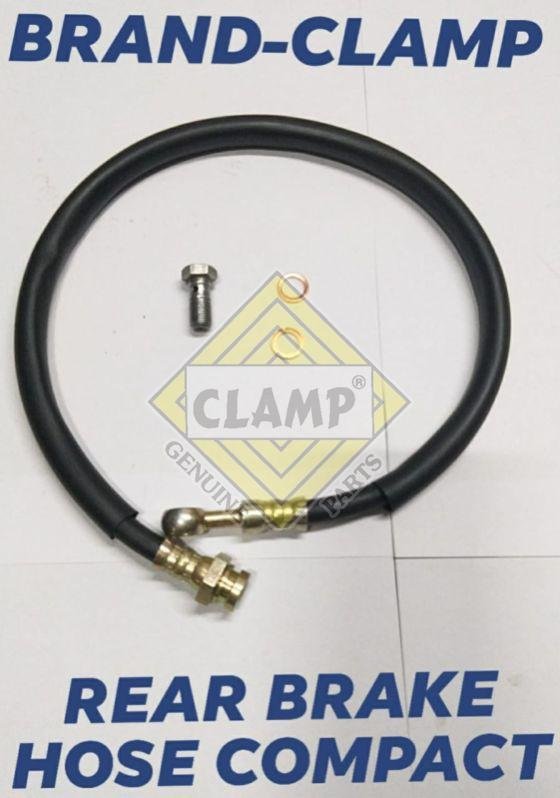
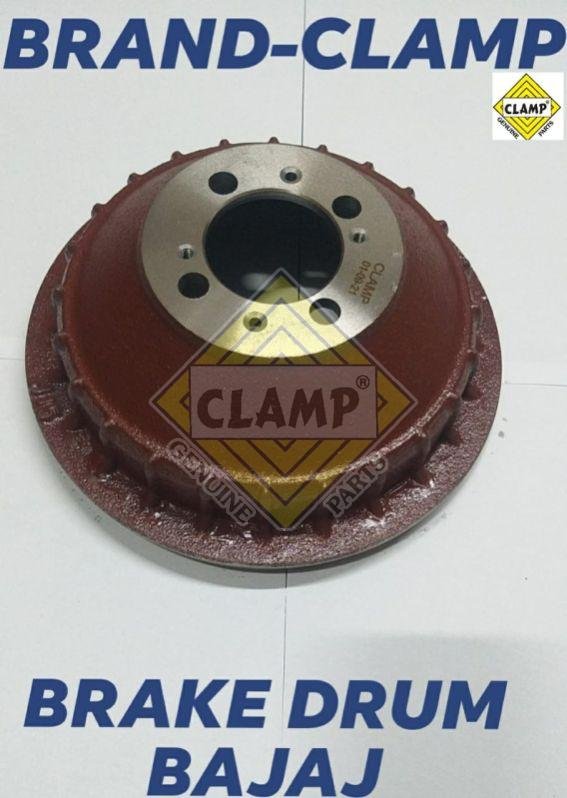
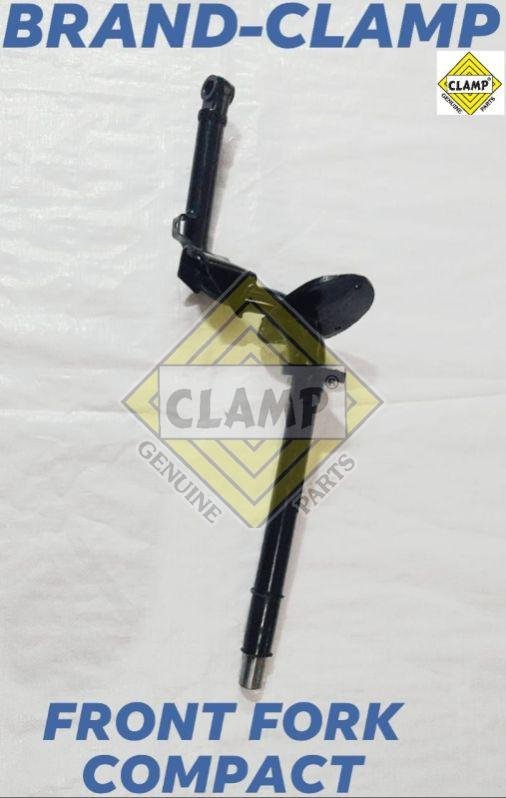
4. Global Sourcing & Procurement Trends for Three-Wheeler Parts (2025–2030)
The global market for last-mile passenger three-wheelers and lightweight commercial cargo transport is undergoing a structural evolution. Importers, government transport fleets, and spare parts wholesalers must navigate changing regulatory and technological landscapes. As a forward-thinking SEO growth specialist and component strategist, TWF Auto Part Co., Ltd. highlights three major procurement trends shaping the 2025–2030 horizon:
1. Mandatory Transition from Single-Circuit to Dual-Circuit Hydraulic Systems
Developing nations across Africa (such as Kenya, Nigeria, Tanzania, and Ethiopia) and South America (Peru, Colombia) are implementing stricter vehicle safety regulations aligned with UNECE/GTR standards. Regional import authorities are increasingly banning single-circuit brake master cylinders in commercial passenger rickshaws. Importers stocking the Bajaj Compact Three Wheeler Tandem Master Cylinder are positioned to meet these updated compliance requirements without inventory write-downs.
2. EV Three-Wheeler Retrofit Kits & Regenerative Braking Synergy
The rapid electrification of traditional IC-engine auto-rickshaws into Electric Three-Wheelers (E-Trikes / EV Rickshaws) presents unique hydraulic braking demands. While regenerative motor braking handles light deceleration, mechanical tandem master cylinders remain mandatory for emergency stopping and total vehicle holding under full payload capacity. TWF's tandem master cylinders are designed to interface seamlessly with blended mechanical-regenerative brake pedal linkages.
3. Supply Chain Resilience & Multi-SKU Container Consolidation
Post-pandemic supply chain volatilities have forced B2B automotive buyers to minimize freight costs by consolidating diverse SKUs into single sea-container shipments (FCL/LCL). TWF Auto Part Co., Ltd. supports global buyers by offering full container consolidation across Bajaj Compact parts, TVS King spare parts, and APE Piaggio / APE City components, allowing buyers to optimize inventory turnover and reduce working capital locks.
5. Technical Failure Analysis & Fleet Maintenance Manual
For fleet maintenance engineers and garage mechanics, identifying the root cause of hydraulic brake degradation in Bajaj Compact three-wheelers prevents costly vehicle downtime. Below is a diagnostic troubleshooting matrix compiled by the engineering team at TWF Auto Part Co., Ltd.:
| Observed Symptom | Root Cause Analysis | Corrective Action |
|---|---|---|
| Spongy Brake Pedal / Soft Feel | Trapped air in secondary circuit; contaminated low-boiling brake fluid; swollen rubber hoses. | Perform full hydraulic vacuum bleed using DOT 4 fluid; check brake hose expansion; inspect secondary cylinder seal. |
| Pedal Sinks Slowly to Floor Under Steady Foot Pressure | Internal fluid bypass across primary cup seal; micro-scratched cylinder bore due to dirty fluid. | Replace entire Tandem Master Cylinder assembly (refurbishing internal seals in scored bores causes rapid re-failure). |
| Brakes Dragging / Wheels Overheating | Clogged compensation port preventing fluid return to reservoir; pushrod length set too long. | Adjust pushrod free play (1.0–1.5 mm); flush reservoir tank to clear debris from tiny compensation port holes. |
| Fluid Leakage at Rear Dust Boot | Primary rear seal degradation due to mineral oil contamination (wrong fluid used) or extreme dirt intake. | Replace master cylinder; flush entire system with clean brake cleaner; install fresh DOT 4 fluid. |
Standardized Bleeding Procedure for Bajaj Compact Tandem Cylinders
- Bench Bleeding Prior to Installation: Mount the master cylinder in a vise. Fill the fluid reservoir with fresh, un-aerated DOT 4 fluid. Attach temporary clear vinyl tubes from the outlet ports back into the reservoir. Depress the primary piston manually until zero air bubbles exit the vinyl tubes.
- Vehicle Mounting & Linkage Adjustment: Secure the cylinder to the chassis firewall. Ensure 1.0 mm to 1.5 mm of free play between the pedal clevis pushrod and the primary piston cup to guarantee that the primary piston retracts fully behind the compensation port when pedal is released.
- Sequential Wheel Cylinder Bleeding: Bleed the longest hydraulic line first (Rear Right wheel cylinder), followed by Rear Left, and finally the Front wheel cylinder. Maintain fluid level in the reservoir continuously during bleeding to prevent re-introducing air pockets.
Ready to Source Genuine-Spec Bajaj Tandem Master Cylinders?
Contact our engineering sales team in Bangalore, India for immediate stock availability and CIF export quotes.
6. Frequently Asked Questions (FAQ) — Commercial B2B Sourcing
Answers to common technical and commercial queries submitted by international auto parts buyers, fleet procurement managers, and technical specialists.
7. Why Source from TWF Auto Part Co., Ltd.? (55+ Years of Industry Trust)
Choosing the right manufacturing partner is as critical as the part specifications themselves. TWF Auto Part Co., Ltd. brings unmatchable depth of expertise, industrial scale, and global trust to every contract.
Established in 1967 (55+ Years Experience)
Over five decades of specialized focus in Indian commercial vehicle spare parts manufacturing. We understand every revision of Bajaj, TVS, and Piaggio three-wheelers built since their inception.
In-House Machining & ISO-Aligned QC
Located in Bangalore's industrial corridor, our multi-floor manufacturing unit houses CNC turning centers, diamond honing machines, and digital hardness/roughness testing equipment.
Global Distribution Footprint (40+ Countries)
Active export distribution serving leading automotive importers, state fleet contracts, and wholesale dealers across East Africa, West Africa, the Middle East, and Latin America.
Comprehensive 500+ SKU Catalog
Single-source convenience: combine Bajaj Tandem Master Cylinders with brake drums, front forks, propeller shafts, engine valve sets, starter drives, and differential gearboxes.