TWF Auto Part Co., Ltd. Blog & Insights
Technical Blog & Updates

Industry Insights & Technical Guides

Discover expert articles, maintenance guides, and market developments from TWF Auto Part Co., Ltd.

Three Wheeler Spare Parts News
Knowledge Hub

Three Wheeler Spare Parts Expertise

In-depth technical knowledge and export guidance for Bajaj, TVS King, and APE Piaggio platforms.

0%

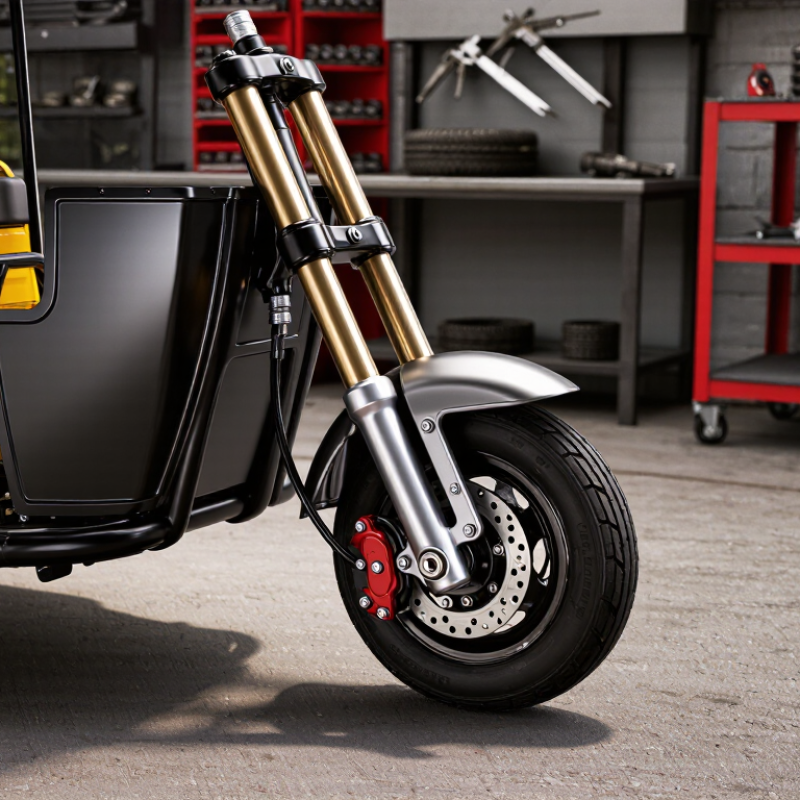
Choosing a Bajaj Compact Three Wheeler Front Fork requires more than matching a part number. It requires understanding load, road shock, steering control, and service conditions. A front fork supports the vehicle’s front assembly during braking, turning, and uneven-road impacts. Small errors can create large handling problems.

The Society of Indian Automobile Manufacturers reported approximately 691,000 three-wheelers sold in India during fiscal year 2023–24. That volume reflects continuing demand for compact commercial mobility. Industry studies from organizations such as IMARC Group also identify urban delivery, passenger transport, and last-mile logistics as important market drivers. These uses expose front forks to repeated vibration, overloaded routes, potholes, and frequent stop-start braking. The numbers matter. They show why component durability cannot be judged by appearance alone.

A suitable Bajaj Compact Three Wheeler Front Fork should match the exact vehicle model, production year, mounting dimensions, steering stem size, suspension travel, and brake arrangement. Check the fork tubes for straightness and surface corrosion. Inspect welds, bushes, seals, and threaded areas closely. A reliable supplier should provide material details, dimensional tolerances, testing information, and compatibility evidence. OEM documentation remains the strongest reference, while workshop experience can reveal failures that brochures often miss. This point deserves caution. Not every low-cost fork is unsafe, but unexplained weight differences and poor finishing require questions. The best choice balances strength, steering response, service life, and total operating cost. In practice, measurement wins. Pair the part with correct bushings, seals, and torque settings. Then verify alignment before returning the vehicle to work.
How to Choose a Bajaj Compact Three Wheeler Front Fork?

Understanding the Role of a Bajaj Compact Three-Wheeler Front Fork

A compact three-wheeler front fork does more than hold the front wheel. It guides steering, absorbs road shock, and maintains tire contact on uneven ground. During workshop inspections, I check its movement with the vehicle unloaded and loaded. The difference can be surprising. A fork that feels smooth in the stand may bind under working weight. This part also carries braking forces. Bent tubes, worn bushes, or leaking seals can create vague steering. They may also cause uneven tire wear. Watch the wheel alignment. Small errors matter. The rider may feel a pull when crossing patched asphalt or carrying cargo. Fork length, tube diameter, axle position, and mounting width must match the chassis. Guessing from appearance is risky. I once saw an almost identical fork fail a basic fit check because its axle sat several millimeters forward.

When choosing a replacement, start with measured specifications and real operating conditions. Record gross load, common road surfaces, braking habits, and suspension travel. A stronger fork is not automatically better. Excess stiffness can reduce comfort and transmit sharp impacts to the frame. Check seal quality, bush material, welds, thread condition, and steering bearing fit. Ask for verifiable test data or clear dimensional drawings from a qualified supplier. Installation should include torque checks, wheel centering, brake clearance, and a slow road test. Stop if steering feels notchy. Recheck everything after the first working shift. This step is easy to skip, unfortunately. Even careful technicians can overlook a loose fastener after hurried assembly. Regular inspection remains necessary, especially on rough routes. The right fork should feel predictable, not merely durable.

Checking Fork Compatibility with Your Bajaj Three-Wheeler Model

How to Choose a Compact Three-Wheeler Front Fork?

Checking fork compatibility with your three-wheeler model is more important than choosing the lowest price. Start with the exact model year, chassis code, wheel size, and steering-head design. Compare the fork’s stem diameter, length, bearing seats, axle diameter, and brake-mount position. A fork can look identical yet fail by only a few millimeters. Measure twice. A workshop manual or verified parts catalogue remains more reliable than a marketplace photograph.

Rider weight and working load also affect compatibility. Check spring rate, suspension travel, fork offset, and the manufacturer’s permitted front-axle load. Excessive travel may change steering stability. A short fork can reduce ground clearance near uneven roads. The World Health Organization’s Global Status Report on Road Safety 2023 records about 1.19 million annual road deaths worldwide. That figure supports careful inspection of steering and braking components, not casual substitution. Check the axle seating face and torque requirements with a calibrated wrench.

I have seen a replacement fit the steering tube but misalign the wheel. It looked acceptable at first. It was not. Small errors appeared during low-speed turning. I would also inspect welds, seals, bushings, and corrosion before installation. Genuine-looking packaging proves little. Record the old fork’s measurements, including compressed and extended lengths. If the catalogue omits these values, pause before ordering. The imperfect part is often the information, not the fork. A qualified technician should confirm alignment, brake clearance, and steering movement after installation.

Comparing Front Fork Materials, Design, and Load Capacity

Choosing a compact three-wheeler front fork starts with material, design, and verified load capacity. High-strength steel offers strong fatigue resistance and easier repair. Aluminum reduces unsprung weight, but it needs careful heat treatment and thicker sections. The International Aluminium Institute reports that recycled aluminum uses about 5% of primary production energy. That benefit matters, but structural safety comes first.

Fork design must match real operating conditions. Telescopic forks suit smoother roads and provide familiar damping control. Leading-link designs can handle repeated braking loads and rough surfaces more steadily. WHO’s Global Status Report on Road Safety 2023 records approximately 1.19 million annual road deaths worldwide. Rough roads and emergency braking make front-end durability essential, not optional. Check axle geometry, steering angle, bushing support, and suspension travel together.

Load capacity should never equal the vehicle’s advertised payload. Measure the actual front-axle share with the driver, cargo, and fuel onboard. Then include braking transfer, pothole impact, and uneven loading. Applicable national rules, UNECE requirements, and the vehicle’s type-approval documents should guide the final limit. Fatigue testing is also important; a fork surviving one static test may still fail after thousands of impacts. A perfect material does not exist. I would rather choose a heavier steel fork with proven testing than a lighter design with unclear data. Recheck weld quality and corrosion protection. Small defects become expensive quickly.

How to Choose a Bajaj Compact Three Wheeler Front Fork? - Comparing Front Fork Materials, Design, and Load Capacity
Front Fork Option Typical Material Common Design Configuration Indicative Front-End Service Load Strength and Durability Weight and Cost Considerations Best Use Case
Material and Construction Comparison
Welded High-Strength Carbon Steel Fork Drawn or formed steel tubes with welded brackets; typical yield strength is approximately 350–550 MPa, depending on grade and heat treatment. Telescopic fork or reinforced leading-link fork with gussets at the steering-head and axle-mount areas. Approximately 250–400 kg vertical design load High fatigue resistance when weld quality, alignment, and heat-affected zones are properly controlled. Requires paint, powder coating, or another corrosion-protection system. Moderate weight and generally economical to manufacture. Easy to repair or replace in many service environments. Daily commercial operation, mixed road surfaces, and applications requiring a practical balance of strength, price, and serviceability.
Forged Alloy-Steel Fork Heat-treated alloy steel, often selected for high toughness and fatigue strength; material strength commonly exceeds that of ordinary mild steel. Forged steering yoke or axle carrier combined with tubular fork legs and hydraulic shock absorbers. Approximately 300–450 kg vertical design load Very good resistance to impact, bending, and repeated load cycles. Forging can reduce internal defects and improve consistency in highly stressed parts. Usually heavier and more expensive than a basic welded-steel fork, but it can provide a compact and durable structure. Frequent operation on uneven roads, higher shock loads, or vehicles that regularly carry near their approved payload.
Aluminum-Alloy Fork or Yoke Heat-treated aluminum alloy, commonly used for cast or forged components rather than thin welded load-bearing tubes. Lightweight forged yoke or cast housing paired with steel fork tubes and a hydraulic damping unit. Approximately 200–350 kg vertical design load Good corrosion resistance and adequate strength when correctly engineered. Aluminum has a lower modulus of elasticity than steel, so section size and fatigue design are especially important. Typically 20–35% lighter than an equivalent steel component, but material, tooling, and repair costs are often higher. Weight-sensitive applications where steering response, corrosion resistance, and reduced unsprung mass are important.
Stainless-Steel Fork Components Corrosion-resistant stainless steel for selected brackets, fasteners, or fork tubes; common austenitic grades are generally not chosen for every highly stressed structural part. Usually a conventional telescopic or leading-link layout with corrosion-resistant hardware and protected bearings. Approximately 220–350 kg vertical design load Excellent resistance to moisture and road-salt corrosion. Fatigue performance depends strongly on the specific grade, surface finish, weld quality, and stress concentration control. Higher material cost and potential galling at threaded joints. Weight is generally similar to or greater than comparable steel parts. Wet, coastal, or corrosive operating conditions where reduced maintenance is more valuable than minimum cost.
Front Fork Design Comparison
Telescopic Hydraulic Fork Usually steel outer tubes and chrome-plated or hardened inner tubes with coil springs and hydraulic damping. Two sliding fork legs guide the wheel; damping and springing are contained inside the fork tubes. Typically suitable for 250–400 kg front-end design loads when correctly sized Compact and effective at controlling bounce. Seal wear, tube bending, and oil leakage should be checked during maintenance. Moderate weight, compact packaging, and widely available service parts. Requires accurate tube alignment. Urban delivery use, paved roads, and applications needing compact packaging and predictable steering behavior.
Leading-Link Fork Welded or forged steel arms with a separate axle carrier, spring, and hydraulic damper. The wheel axle is carried ahead of or behind a pivoted link, allowing the suspension geometry to be tuned independently from the steering head. Typically suitable for 300–450 kg front-end design loads when reinforced correctly Strong under braking and impact loads, with good load-carrying potential. Pivot bushes and link fasteners require regular inspection. Often heavier and less compact than telescopic forks, but it can offer robust load handling and easier structural reinforcement. Commercial three-wheelers used on rough roads, with frequent braking, heavy cargo, or demanding stop-and-go service.
Trailing-Link Fork Steel or aluminum link arms with a separate spring-damper unit and axle carrier. The wheel moves through a rearward or forward arc around a pivot, usually with the shock absorber mounted between the link and frame. Typically suitable for 250–400 kg front-end design loads Can provide controlled wheel travel and favorable packaging. Pivot wear and changes in wheel geometry must be monitored. Moderate complexity and weight. More space may be required around the wheel and frame than with a simple telescopic layout. Applications requiring a tuned ride, controlled suspension movement, or a custom frame layout.
Selection Criteria for a Compact Three-Wheeler
Recommended Load-Matching Rule Use the manufacturer-approved front-axle load as the starting point. The fork, axle, steering head, bearings, and frame should be checked together, and the design should include an appropriate dynamic factor for braking, potholes, turning, and uneven cargo distribution. Do not select a fork from payload alone.
Key Dimensions to Verify Check steering-head diameter and length, fork-leg spacing, axle diameter, wheel offset, brake-mount position, suspension travel, fork offset, steering lock, and maximum tire clearance before purchase or fabrication.
Practical Inspection Points Look for bent tubes, cracked welds, damaged threads, leaking seals, worn bushes, loose bearings, uneven tire wear, and excessive steering play. Any replacement fork should be aligned with the frame and tested for full steering and suspension movement.
The load figures are indicative engineering ranges for generic compact three-wheeler front-fork configurations, not certified ratings for a specific vehicle. Final selection should follow the vehicle maker’s approved axle load, fork dimensions, braking requirements, fatigue testing, and applicable road-vehicle regulations.

Evaluating Suspension Performance, Durability, and Safety Features

Choosing a front fork for a compact three-wheeler requires more than checking diameter and price. Suspension performance depends on load control, damping consistency, and steering stability. Measure static sag with the vehicle unloaded and loaded. The fork should compress smoothly, without binding or metallic impact. Excessive dive during braking signals weak compression control. Harsh rebound can make the front wheel skip over broken asphalt. Test it on speed humps, patched roads, and tight turns.

Durability starts with material quality and sealing. Inspect chrome or coated tubes under bright light. Even a small scratch can damage the oil seal. ISO 16750-3 describes mechanical-load testing for road vehicles, including vibration and shock exposure. ISO 9227 salt-spray testing can reveal corrosion resistance, but it cannot predict real service life. That limitation matters. Check bushings, welds, fasteners, and drain paths after repeated wet-road use. A realistic evaluation should include payload, passenger weight, and uneven cargo.

Safety must connect the fork with braking and steering geometry. UNECE Regulation No. 78 provides braking requirements for applicable L-category vehicles. Use its principles alongside local approval rules, not as a substitute for them. The World Health Organization reported about 1.19 million annual road deaths in its 2023 road-safety report. Stable wheel contact is therefore not a cosmetic feature. Confirm correct axle alignment, full steering lock, cable clearance, and controlled rebound. Record temperatures and stopping behavior during testing. Specifications can look perfect on paper. Field results may disagree.

How to Choose a Bajaj Compact Three Wheeler Front Fork

This neutral evaluation framework assigns greater importance to suspension performance, durability, and safety when comparing compact three-wheeler front forks. The percentages are suggested assessment weights rather than brand-specific test results.

Selecting a Reliable Supplier and Confirming Installation Requirements

Choosing a compact three-wheeler front fork requires more than comparing prices. A reliable supplier should provide exact dimensions, material specifications, load ratings, and inspection records. Ask for the steering stem diameter, fork spacing, axle size, and suspension travel. Small differences can cause serious alignment problems.

Request a sample or detailed drawing before placing a large order. Check weld quality, surface finish, thread accuracy, and bushing movement. The supplier should explain heat treatment, corrosion protection, packaging, and replacement support. Traceable batch numbers and a clear warranty also show better quality control. Cheap parts are not always economical.

Installation requirements must be confirmed in writing. Verify compatibility with the vehicle’s frame, wheel, brake assembly, and steering column. Follow the service manual for torque values and tightening order. After fitting, inspect steering play, wheel alignment, brake clearance, and suspension movement. The fork should move smoothly without binding. Do not force mismatched parts or alter critical components without qualified engineering review. One common mistake is checking only physical fit. I have seen forks fit the frame but change ride height and braking behavior. That detail deserves more attention. A short road test on a controlled, legal route can reveal unusual vibration, pulling, or noise. Record these findings before approving regular use.

FAQS

What does a compact three-wheeler front fork do?

It guides steering, absorbs road shocks, and keeps the tire touching uneven ground. It also carries braking forces. Small defects can change steering feel.

How can I check whether a replacement fork fits?

Compare model year, chassis code, wheel size, stem diameter, fork length, axle diameter, and mounting width. Check bearing seats and brake-mount position. Measure twice. Appearance is not enough.

Why can a fork look correct but still be unsuitable?

Its axle may sit several millimeters forward or backward. That difference can misalign the wheel and change steering stability. I have seen this pass a quick visual check, then fail during slow turning.

What operating details should guide fork selection?

Record rider weight, cargo, fuel, road surfaces, braking habits, and suspension travel. Measure the actual front-axle load. Advertised payload does not show the complete front load.

Is a stronger fork always better?

No. Excessive stiffness may reduce comfort and send sharp impacts into the frame. A heavier steel design can be sensible when testing data is clear. Stronger is not automatically safer.

Which fork materials and designs are suitable?

High-strength steel offers fatigue resistance and easier repair. Aluminum can reduce unsprung weight but needs careful treatment and design. Telescopic forks suit smoother roads, while leading-link designs can handle repeated impacts steadily.

What should technicians inspect before installation?

Inspect tubes, welds, seals, bushes, threads, corrosion, bearings, and axle seating faces. Confirm brake clearance and wheel centering. Packaging can look convincing. It proves little.

What checks are needed after installation?

Use a calibrated torque wrench for fasteners. Check steering movement, alignment, wheel centering, and brake clearance. Perform a slow road test. Stop if steering feels notchy.

How often should the front fork be inspected?

Inspect it regularly, especially after rough routes or heavy work. Recheck fasteners after the first working shift. I might skip that step when rushed. That would be a mistake.

Conclusion

Choosing the right Bajaj Compact Three Wheeler Front Fork is essential for stable handling, rider comfort, and dependable vehicle performance. Start by understanding the fork’s role in supporting the front wheel, absorbing road shocks, and helping maintain steering control. Confirm that its dimensions, mounting points, steering connection, and brake compatibility match your specific three-wheeler model. A proper fit prevents installation problems and supports safer operation.

When comparing options, examine the material, structural design, weight capacity, and manufacturing quality. A strong yet appropriately designed fork should withstand regular loads, uneven roads, and repeated suspension movement without excessive wear. Pay attention to suspension smoothness, corrosion resistance, sealing, braking clearance, and other safety-related features. Finally, select a reliable supplier that can provide clear specifications, consistent quality, warranty information, and technical assistance. Before purchase, confirm all installation requirements, including necessary tools, replacement components, alignment checks, and professional fitting recommendations. A careful evaluation will help ensure long-term durability, improved comfort, and confident control.


Olivia

Olivia

Olivia is a dedicated marketing professional with a profound expertise in our company’s product offerings. With a keen eye for detail and an unwavering commitment to quality, she plays a pivotal role in enhancing our brand's presence through insightful and engaging blog posts. Her articles not only......