TWF Auto Part Co., Ltd. Blog & Insights
Technical Blog & Updates

Industry Insights & Technical Guides

Discover expert articles, maintenance guides, and market developments from TWF Auto Part Co., Ltd.

Three Wheeler Spare Parts News
Knowledge Hub

Three Wheeler Spare Parts Expertise

In-depth technical knowledge and export guidance for Bajaj, TVS King, and APE Piaggio platforms.

0%

Choosing an APE Piaggio Three Wheeler Silencer is not a simple matter of matching pipe diameter. The correct component must balance noise control, exhaust flow, heat resistance, durability, and vehicle compatibility. A poorly selected silencer may create excessive back pressure, weak acceleration, rattling, or premature corrosion. Small details matter, including mounting position, inlet diameter, gasket condition, and clearance from the rear body panel.

Industry data supports a careful approach. Grand View Research’s Automotive Exhaust System Market report, published in 2024, identifies durability, emissions compliance, and acoustic performance as major purchasing factors. The report also forecasts continued global growth in exhaust-system demand through 2030. However, broad automotive data does not fully represent Piaggio Ape vehicles. Their compact frames, commercial workloads, and frequent stop-start operation create different thermal and vibration conditions. That limitation deserves attention.

Engine researcher Gordon P. Blair wrote, “The exhaust system is an integral part of the engine.” His statement remains highly relevant to the APE Piaggio Three Wheeler Silencer. The silencer affects more than sound. It influences gas velocity, engine response, fuel efficiency, and rider comfort. The World Health Organization’s Environmental Noise Guidelines for the European Region also identify road traffic noise as an important public-health concern, reinforcing the value of responsible acoustic design.

A practical selection process should compare construction material, chamber design, weld quality, internal packing, warranty support, and documented vehicle fitment. Stainless steel often offers stronger corrosion resistance. Yet, cheaper designs can still look convincing. That is where judgment becomes difficult. This guide examines the technical clues that separate a dependable silencer from a merely attractive replacement.
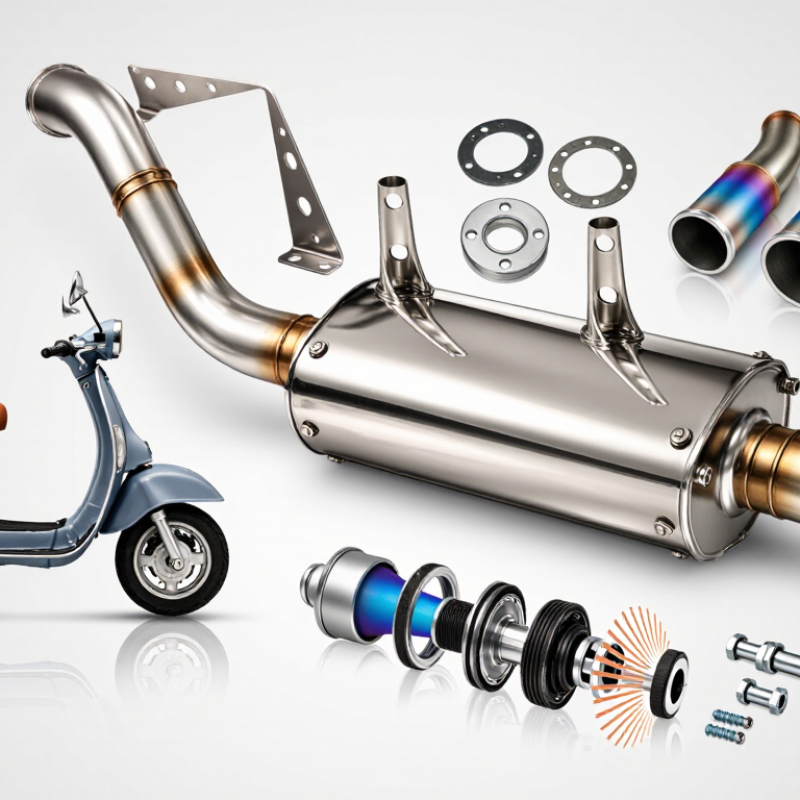
How to Choose an APE Piaggio Three Wheeler Silencer

What an APE Piaggio Three-Wheeler Silencer Does

A three-wheeler silencer reduces exhaust noise before gases leave the tailpipe. Inside, perforated tubes and packing material slow the gas flow. This changes a sharp engine crack into a deeper, controlled sound. It also helps direct hot gases away from the body and nearby components. During a workshop inspection, I look for soot marks, loose brackets, and rattling sounds. These details often reveal problems before visible damage appears.

The silencer influences exhaust pressure, but it is not a simple power upgrade. Excessive restriction can make the engine feel weak and run hotter. Too little control may create harsh noise and unstable low-speed response. A suitable replacement should match the engine size, pipe diameter, mounting points, and available space. Measure twice. Small differences matter.

Material also affects service life. Coated steel can handle ordinary use, while stainless steel usually resists moisture better. However, poor welds can fail on rough roads, regardless of material. I once trusted a quiet replacement because it sounded smooth during a short test. Later, its bracket loosened under vibration. That mistake changed my inspection routine. I now check clearances, fasteners, and vibration after several drives, not just at installation. The silencer should remain secure, quiet, and safely separated from heat-sensitive parts.

How to Choose a Three-Wheeler Silencer — What It Does

A silencer reduces exhaust noise by reflecting, absorbing, and cancelling pressure waves. The chart below shows the approximate wavelength of common sound frequencies in air at 20°C, calculated using a sound speed of 343 m/s. Lower-frequency waves are longer and usually require larger chambers or longer acoustic paths for effective control.

When selecting a replacement silencer, compare the inlet and outlet diameters, body length, mounting locations, ground clearance, heat resistance, corrosion protection, and compatibility with the engine’s exhaust-flow requirements. Wavelength values are acoustic reference data and do not represent guaranteed noise reduction for a specific silencer design.

Key Factors for Choosing the Right Silencer

How to Choose an APE Piaggio Three Wheeler Silencer

Choosing the right silencer starts with fit, noise control, and verified construction quality. Measure the inlet diameter, mounting-hole spacing, outlet position, and available ground clearance before ordering. A two-millimetre mismatch can create leaks, vibration, or difficult installation. Check whether the silencer suits the engine’s displacement and exhaust routing. Excessive back pressure may reduce throttle response and increase heat around the cylinder head.

Noise deserves serious attention. The European Environment Agency’s Environmental Noise in Europe 2020 report estimated that over 113 million Europeans faced road traffic noise above 55 dB Lden. A suitable silencer should reduce harsh exhaust pulses without making the vehicle dangerously quiet in traffic. Look for corrosion-resistant steel, secure internal packing, strong welds, and a properly fitted heat shield. UNECE replacement-silencer requirements also demonstrate the importance of approval markings and test documentation. Local rules still apply. Do not assume an online specification is enough.

Tips: Compare the original silencer’s dimensions with the replacement. Inspect the flange for warping. Ask for sound-test evidence, material details, and installation instructions. After fitting, listen for rattling during cold starts and check for dark soot around joints. A perfect choice is unlikely. I would rather reject a cheap silencer than discover its weakness beside a hot engine. Recheck every fastener after the first short ride.

How to Match a Silencer with Your APE Piaggio Model

Matching a silencer to your three-wheeler starts with the exact model, not appearance. Check the production year, engine size, fuel system, and whether the engine uses two-stroke or four-stroke operation. Small differences matter. I once measured only the outlet pipe and ignored the mounting bracket. That shortcut was wrong. The replacement looked correct, but its flange sat several millimeters away from the original position. Use the vehicle manual, identification plate, and old silencer measurements together. This three-source check is slower, yet much more dependable.

Measure the inlet diameter, overall length, bracket spacing, and clearance around the rear wheel. Record the direction of the outlet. A silencer for a short-wheelbase model may touch the body on a longer chassis. Compare gasket shape and fastener size before ordering. Do not choose by engine size alone. Two models can share displacement but require different pipe routing or heat shielding. From workshop checks, incorrect alignment often creates leaks, rattles, and premature gasket failure. A slight exhaust tone change is normal, but sudden harshness needs inspection.

Select a unit designed for the same model family and emission specification. Confirm that its materials suit daily loads, rain, and repeated heat cycles. Stainless steel can resist corrosion, while coated steel may cost less. Neither option fixes a poor fit. After installation, inspect every joint when the engine is cold. Then run the vehicle briefly and check for vibration, fumes, or unusual heat. I may still recheck the bracket after several trips, because real roads reveal mistakes that measurements miss.

Silencer Materials, Design, and Performance Features

How to Choose a Three-Wheeler Silencer

Silencer Materials, Design, and Performance Features

Material choice controls heat resistance, corrosion protection, weight, and service life. Stainless steel usually suits humid roads and frequent stop-and-go work. Grade 304 resists corrosion well, while grade 409 costs less and tolerates exhaust heat effectively. Aluminized steel can reduce purchase cost, but its coating may deteriorate after scratches or repeated heating cycles. Inspect the welds closely. Poor weld penetration often causes early cracking near the inlet pipe.

Design affects sound, exhaust flow, and engine response. Absorption silencers use perforated tubes and heat-resistant packing. They usually create a deeper, less harsh sound. Chambered designs redirect pulses through internal compartments. They can reduce noise effectively but may increase restriction if poorly matched. The European Environment Agency reports that more than 100 million Europeans experience harmful road traffic noise from transport. A properly sized silencer supports quieter operation without choking the engine.

Performance data matters more than appearance. Compare back pressure, temperature resistance, mass, and tested sound levels. UNECE noise-testing procedures emphasize controlled pass-by measurements, not workshop impressions alone. Ask for test conditions and engine specifications. International Aluminium Institute data shows recycled aluminium uses about 5% of the energy required for primary aluminium production, yet aluminium may not suit the hottest exhaust zones. Lightweight is not always better. A heavier stainless unit can survive vibration longer, but that assumption can fail without sound mounting points. Check brackets, packing condition, and clearance from the cargo body during every service interval.

How to Choose an APE Piaggio Three Wheeler Silencer - Silencer Materials, Design, and Performance Features

Selection Dimension Common Option Typical Characteristics Performance and Service Effect Recommended Use
Outer Shell Material Aluminized steel Steel substrate with an aluminum-silicon coating; generally more economical than stainless steel. Provides useful heat and corrosion resistance, but coating damage can expose the steel underneath. Budget-conscious vehicles operating in moderate environments.
Outer Shell Material Stainless steel Good resistance to moisture, road salt, and oxidation; available in several grades. Usually offers longer corrosion life and a cleaner appearance than ordinary steel. Frequent outdoor use, humid climates, or vehicles exposed to road spray.
Outer Shell Material Mild steel with protective coating Strong and widely available, but dependent on paint, plating, or coating quality. Can be cost-effective, although rust protection requires regular inspection. Shorter replacement cycles and dry operating conditions.
Internal Absorption Material Mineral wool or high-temperature fiber Absorbs exhaust sound while tolerating elevated temperatures; packing can deteriorate over time. Supports lower noise levels, but worn packing may increase sound and reduce damping performance. Standard replacement silencers requiring balanced noise control and cost.
Internal Flow Design Baffled chamber design Uses partitions and passages to reflect and dissipate sound energy. Typically delivers strong noise reduction; excessive restriction can increase backpressure. Daily urban operation where quiet exhaust performance is important.
Internal Flow Design Perforated-core absorption design Uses a perforated tube surrounded by sound-absorbing packing to reduce acoustic energy. Can provide efficient gas flow with a deeper exhaust note, provided packing and dimensions are correct. Applications prioritizing flow efficiency without removing required noise control.
Pipe Diameter Model-matched diameter Maintains the exhaust dimensions intended for the engine, mounting points, and fuel system. Helps preserve drivability, throttle response, temperature control, and emissions compatibility. The preferred choice for a direct replacement.
Backpressure Control Balanced restriction Combines chambers, tubes, and outlet sizing to control exhaust velocity and pressure. Avoids the potential loss of low-speed torque from excessive restriction or poor low-speed response from an overly open system. Passenger and cargo three-wheelers used in stop-and-go traffic.
Mounting and Fit Direct-fit flanges and brackets Uses the original mounting locations and compatible gaskets, fasteners, and heat shields. Reduces installation time and helps prevent exhaust leaks, vibration, and chassis contact. Routine replacement without welding or major modification.
Heat Management Heat shield and insulated sections Creates a barrier between hot exhaust components and nearby body panels, wiring, cargo, or passengers. Lowers contact and radiant-heat risks while protecting adjacent components. Passenger service, enclosed bodywork, and heavy-load operation.
Noise Performance Standard road-legal sound level Designed to reduce exhaust noise without removing required attenuation components. Improves comfort and helps support compliance with applicable local noise regulations. Urban, residential, and commercial routes.
Durability Features Robust welds and drainage provision Consistent weld quality and controlled moisture drainage help limit cracking and internal corrosion. Improves resistance to vibration, condensation, thermal cycling, and road impact. High-mileage commercial operation.
Compatibility Check Engine, fuel system, and emissions specification Confirm engine type, production year, mounting layout, sensor provisions, outlet position, and applicable emissions equipment. Prevents fitment problems, warning lights, exhaust leaks, and potential regulatory non-compliance. Essential before ordering any replacement silencer.

Note: The best silencer is the one matched to the vehicle’s exact engine specification, mounting arrangement, exhaust diameter, emissions equipment, and local noise requirements. Actual service life depends on climate, mileage, load, maintenance, and corrosion exposure.

How to Install, Inspect, and Maintain the Silencer

A three-wheeler silencer needs careful handling because heat, vibration, and road dirt attack it daily. Let the engine cool completely before inspection. A hot metal shell can cause severe burns. Place the vehicle on firm, level ground, then check the mounting brackets, clamps, and rubber supports. Look for black soot around joints. It often indicates a small exhaust leak. Listen for ticking sounds during a cold start, but keep hands away from moving parts.

During installation, compare the replacement silencer with the removed unit. The inlet angle, mounting holes, and pipe diameter should match precisely. Replace the exhaust gasket rather than reusing a crushed one. Clean the pipe connection with a wire brush, without thinning the metal. Tighten fasteners evenly, following the vehicle’s service specification. I once tightened a rear clamp too much, and the pipe later developed stress marks. That mistake showed why alignment matters more than force. Start the engine briefly and inspect for escaping gases, unusual vibration, or a harsh metallic rattle.

Maintenance should include a visual check every few weeks, especially after wet or dusty journeys. Remove mud from the lower silencer body and inspect rust near drain points and welds. Do not seal a damaged unit with household paste. It rarely lasts under exhaust heat. Record the inspection date and any replaced gasket or bracket. A qualified technician should assess deep corrosion, cracked welds, or repeated leaks. Small faults are easier to correct before they affect performance, noise control, or nearby components.

FAQS

What does a three-wheeler silencer do?

It reduces exhaust noise before gases leave the tailpipe. Perforated tubes and packing slow gas flow. The sound becomes deeper and more controlled.

Can a silencer increase engine power?

Not usually. Excessive restriction can weaken throttle response and increase engine heat. Too little control may cause harsh noise and unstable low-speed running.

Which measurements should I check before ordering?

Measure inlet diameter, mounting-hole spacing, outlet position, and ground clearance. A two-millimetre mismatch can cause leaks or vibration. Measure twice.

What materials are suitable for a replacement silencer?

Coated steel suits ordinary use. Stainless steel generally resists moisture better. Material alone is not enough. Poor welds can fail on rough roads.

How can I identify a loose or damaged silencer?

Look for soot around joints, rattling during cold starts, loose brackets, and distorted flanges. These clues can appear before visible damage. Listen closely.

Should a replacement silencer have approval markings?

Check for relevant approval markings, test documentation, and installation instructions. Local requirements still apply. An online specification may be incomplete.

How can I check the silencer after installation?

Inspect heat clearances, fasteners, welds, and mounting points. Start the engine and listen for rattling. Check again after the first short ride.

What mistake can happen during silencer selection?

A quiet replacement may still have weak brackets or poor internal construction. I once trusted a smooth sound too quickly. Later, vibration loosened the bracket.

How should the silencer protect nearby components?

It should direct hot gases away from the body and heat-sensitive parts. A properly fitted heat shield helps. Safe separation matters.

Conclusion

Choosing the right APE Piaggio Three Wheeler Silencer is important for controlling exhaust flow, reducing noise, and supporting reliable engine performance. A suitable silencer should match the vehicle’s model, engine configuration, exhaust layout, and intended working conditions. Key considerations include pipe diameter, mounting position, internal design, back pressure, heat resistance, and overall fit. Materials such as stainless steel or coated steel can offer different benefits in durability, weight, corrosion resistance, and cost, while design features may affect sound levels and exhaust efficiency.

Before purchasing, confirm the correct dimensions and connection points for your specific three-wheeler. Installation should be completed carefully with secure brackets, suitable seals, and properly tightened fasteners. Regular inspection is also essential: check for cracks, loose joints, rust, unusual noise, or signs of blockage. Cleaning and replacing worn components when necessary can help maintain safe operation, stable performance, and a longer service life.


Liam

Liam

Liam is a dedicated marketing professional with a deep expertise in our company's products and services. With a strong background in digital marketing strategies, he plays a crucial role in elevating our online presence through insightful and informative blog articles featured on our company......