Discover expert articles, maintenance guides, and market developments from TWF Auto Part Co., Ltd.
In-depth technical knowledge and export guidance for Bajaj, TVS King, and APE Piaggio platforms.
Choosing the right Bajaj Compact Three Wheeler Engine Valve Set requires more than matching a product photo. The correct set must fit the engine code, model year, valve dimensions, and intended working conditions. Intake and exhaust valves may look similar, yet their materials and heat resistance can differ significantly. A small error in stem diameter or valve length may cause poor compression, overheating, or premature wear.
Engine specialist Arun Mehta offers a practical reminder: “A valve set must match the engine, not merely the vehicle name.” His view reflects workshop reality. Before ordering, technicians should measure the old valve, including head diameter, overall length, stem diameter, and groove position. They should also inspect the valve seat, guide, spring, and retainer. Replacing only damaged valves can be risky when related parts already show wear.
Look closely.
A reliable Bajaj Compact Three Wheeler Engine Valve Set should come from a traceable supplier with clear specifications and consistent machining quality. Heat-resistant exhaust valves are especially important for vehicles operating under heavy loads, long routes, or high ambient temperatures. Installation also matters. Incorrect valve clearance, weak springs, or poor seat contact can damage a new set quickly.
There is no perfect shortcut. Even experienced mechanics can overlook a slightly worn guide or an uneven seat. Therefore, this guide will compare material quality, dimensional accuracy, compatibility, installation requirements, and supplier reliability. These practical checks can reduce fitting errors and support steadier engine performance.
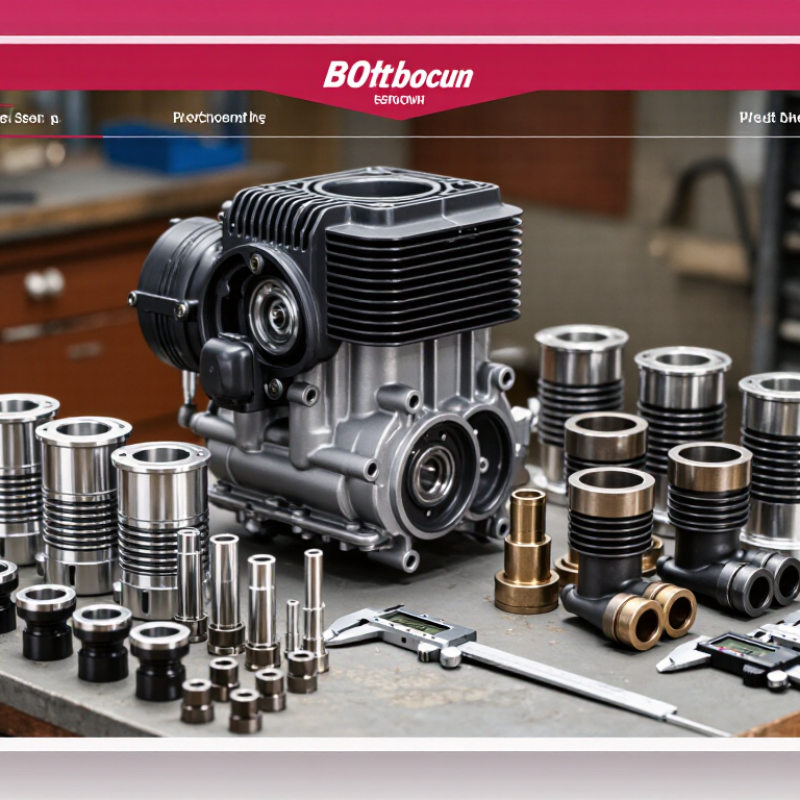
Understanding a compact three-wheeler engine valve set starts with fit, not price. The set should match the exact engine code, valve length, stem diameter, head diameter, and seat angle. Intake and exhaust valves often use different materials because exhaust valves face higher temperatures. A 0.05 mm dimensional error can affect sealing, compression, and idle stability.
The International Energy Agency reported nearly 580,000 electric three-wheelers sold in India during 2023. That shift makes correct servicing of remaining combustion engines more important, especially in high-mileage delivery fleets. MarketsandMarkets estimates the global automotive valve market will grow from about USD 28.4 billion in 2024 to USD 36.4 billion by 2029. More suppliers do not mean equal quality.
Check the valve face for a clean, continuous contact ring. Measure stem clearance with a micrometer, then set cold tappet clearance according to the service manual. Replace worn seals and inspect guides before installing a new set. Small details matter.
Do not trust appearance alone.
In workshop practice, a polished valve can still have poor concentricity. I have also seen technically correct sets fail after careless lapping. That is an uncomfortable reminder: installation quality can defeat good parts. Confirm compression after assembly, listen for tapping, and recheck clearance after the first heat cycle. A reliable choice combines verified dimensions, suitable metallurgy, documented testing, and careful fitting.
Understanding the valve-clearance range helps identify a suitable valve set. The reference values below represent commonly used cold-engine ranges for small four-stroke utility engines. Always confirm the exact specification for the vehicle model before installation.
Selection guide: Match the replacement valve set to the engine’s intake and exhaust positions, confirm valve-stem and seat compatibility, and use the specified cold valve clearance during adjustment. Exhaust valves commonly require a slightly wider clearance because they operate at higher temperatures.
Choosing the correct Bajaj compact three-wheeler engine valve set begins with exact model identification. Check the model code, production year, engine size, and chassis number. These details matter because similar-looking engines may use different valve lengths, stem diameters, or keeper grooves. Do not rely on appearance alone. Measure the old valve with a caliper, especially its overall length and stem diameter. A small difference can cause poor sealing, difficult starting, or rapid guide wear.
Tips:
Compare the intake and exhaust valves separately. The exhaust valve usually handles greater heat and may use a different material or head shape. Confirm the valve head diameter, groove position, and seat angle against a reliable parts catalogue or service manual. Inspect the valve guide and seat before installation. A new valve cannot correct a worn guide. I once saw a replacement set fit the head but fail during adjustment because the stem was slightly too long. That mistake was avoidable.
Use clean tools and record each measurement before ordering. Check whether the set includes retainers, seals, springs, or only valves. Some listings use incomplete descriptions. Ask for technical dimensions, not just a vehicle photograph. If the engine has been rebuilt, its original specifications may have changed through machining. That detail is easy to miss. After installation, set the clearance with a cold engine and rotate the crankshaft by hand. Recheck clearance after initial operation, because the parts may settle slightly.
Choosing a compact three-wheeler engine valve set requires more than matching the vehicle name. Confirm the engine code, model year, cylinder count, and valve-train layout. The International Energy Agency’s Global EV Outlook 2024 identifies three-wheelers as one of the fastest-electrifying road segments, but many working vehicles still rely on small combustion engines. Their compact heads leave little tolerance for incorrect valve dimensions.
Material matters most at the exhaust side. Exhaust valves face higher temperatures, so heat-resistant stainless or nickel-alloy steel is usually preferable. Intake valves commonly use chrome-silicon steel. Do not rely on appearance alone. Check the stem diameter, head diameter, overall length, keeper-groove position, and seat angle with calibrated tools. A 0.1 mm error can affect guide clearance or seating. Small error, large trouble. SAE J1349 and ISO 3046 testing practices also show why rated engine performance depends on controlled temperature and operating conditions; valve selection should follow the engine’s original specifications, not advertising claims.
Compatibility includes the valve seat and guide, not only the valve itself. Measure guide wear, seat width, installed height, and spring pressure before installation. A replacement valve may fit the head but still contact the piston. In workshop inspections, carbon deposits often hide a slightly bent stem or recessed seat. I have learned that catalogue dimensions can be incomplete. Recheck them against the service manual and the removed part. A competent supplier should provide material grade, dimensional tolerances, and an application list. Without those details, the cheapest set may become the costliest repair.
How to Choose a Compact Three-Wheeler Engine Valve Set
A reliable valve set begins with manufacturing quality, not a low catalogue price. Check whether the supplier controls valve dimensions, stem finish, seat angle, and heat treatment. Request material certificates and inspection records for each production batch. A precise stem should move smoothly through its guide without noticeable side play. Small defects can cause compression loss, noise, or early engine damage.
Supplier reliability is equally important. Choose a manufacturer that provides clear drawings, sample approvals, traceable batch numbers, and stable replacement support. Ask how rejected parts are separated and recorded. Experienced suppliers should explain their testing process without vague promises. I once accepted a visually clean component too quickly; later, inconsistent spring pressure exposed my mistake. Appearance is not proof.
Tips: Compare three suppliers using the same checklist. Inspect sample valves with a micrometer, magnifier, and hardness tester. Confirm delivery records, packaging strength, and response time before ordering. A short video of the production line may help, but it cannot replace independent inspection. If the supplier refuses technical questions, reconsider the purchase. Reliable cooperation takes evidence, patience, and occasional doubt.
A correct valve set begins with accurate engine identification and measured specifications. Check the engine code, valve diameter, stem size, and seat angle before opening the cylinder head. A visual match is not enough.
I once trusted an almost identical valve and caused poor compression after installation. That mistake showed the value of checking every dimension against the service manual.
Work on a completely cold engine. Clean the head, valve guides, and spring seats before fitting new parts. Apply a light coat of clean engine oil to the valve stem, then install the correct seal without damaging its lip. Use a calibrated torque wrench for the head fasteners. Uneven tightening can distort the head. Set the valve clearance with the piston at the specified position, not by guesswork. A thin feeler gauge should slide with slight resistance.
Keep the work area clean.
After assembly, rotate the crankshaft by hand several times. Confirm that the timing marks return correctly and that no valve touches the piston. Start the engine and listen for sharp tapping, uneven idle, or difficult starting.
Recheck clearance after the first heat cycle, because new components may settle slightly. During routine service, inspect oil quality, abnormal smoke, and compression changes. Dust, neglected lubrication, and excessive clearance can shorten valve life. My maintenance records are not always perfect, so recording operating hours and measurements prevents repeated oversights.
Confirm the engine code, model year, cylinder count, and valve-train layout. Measure the removed valve before ordering. Check stem diameter, head diameter, total length, groove position, and seat angle. A visual match is not enough.
Exhaust valves usually need heat-resistant stainless or nickel-alloy steel. Intake valves commonly use chrome-silicon steel. Material choice depends on temperature and the original engine specification. Do not trust appearance alone.
A 0.1 mm error can change guide clearance or valve seating. It may cause compression loss, noise, or contact with the piston. Measure with calibrated tools, not a ruler. Small error, large trouble.
Inspect the valve guide, seat width, installed height, and spring pressure. Check guide wear before installing new parts. Carbon deposits can hide a bent stem or recessed seat. The valve may fit, yet still perform poorly.
Request material certificates, dimensional tolerances, and batch inspection records. Ask for technical drawings, sample approvals, and traceable batch numbers. Inspect stem finish, seat angle, hardness, and heat treatment. A clean surface proves little.
Use a micrometer, magnifier, hardness tester, and suitable measuring gauges. Compare three suppliers with the same checklist. Check packaging strength, delivery records, and response time. Independent inspection remains important.
Work only on a completely cold engine. Clean the cylinder head, guides, and spring seats first. Apply a light coat of clean engine oil to the valve stem. Install the seal carefully without cutting its lip. Use a calibrated torque wrench.
Rotate the crankshaft by hand several times. Confirm the timing marks return correctly. Ensure no valve touches the piston. Set clearance at the specified piston position. A thin feeler gauge should slide with slight resistance.
Recheck valve clearance after the first heat cycle. Monitor oil quality, unusual smoke, compression changes, and sharp tapping. Dust, poor lubrication, and excessive clearance can shorten valve life. Record operating hours and measurements. My records are not always perfect.
Choosing the right Bajaj Compact Three Wheeler Engine Valve Set is essential for reliable engine performance, smooth combustion, and long service life. Start by confirming your vehicle’s exact model, engine version, production year, and technical specifications. The valve set must match the engine’s dimensions, including valve diameter, stem size, head shape, and seat angle. Material quality is also important because the valves operate under high temperature and pressure. Look for components made from durable, heat-resistant materials with consistent machining and accurate tolerances.
Manufacturing quality and supplier reliability should be evaluated through product consistency, clear specifications, quality inspection, and suitable warranty support. Before installation, compare the new parts with the original components and check the valve seats, guides, springs, and seals for wear. Proper installation requires accurate alignment, correct clearance adjustment, and careful cleaning of the cylinder head. Regular maintenance, including inspection of valve clearance and engine operating condition, can help prevent premature wear and ensure the selected Bajaj Compact Three Wheeler Engine Valve Set continues to perform effectively.