
TWF Auto Part Co., Ltd. Blog & Insights
Technical Blog & Updates

Industry Insights & Technical Guides

Discover expert articles, maintenance guides, and market developments from TWF Auto Part Co., Ltd.

Three Wheeler Spare Parts News
Knowledge Hub

Three Wheeler Spare Parts Expertise

In-depth technical knowledge and export guidance for Bajaj, TVS King, and APE Piaggio platforms.

0%

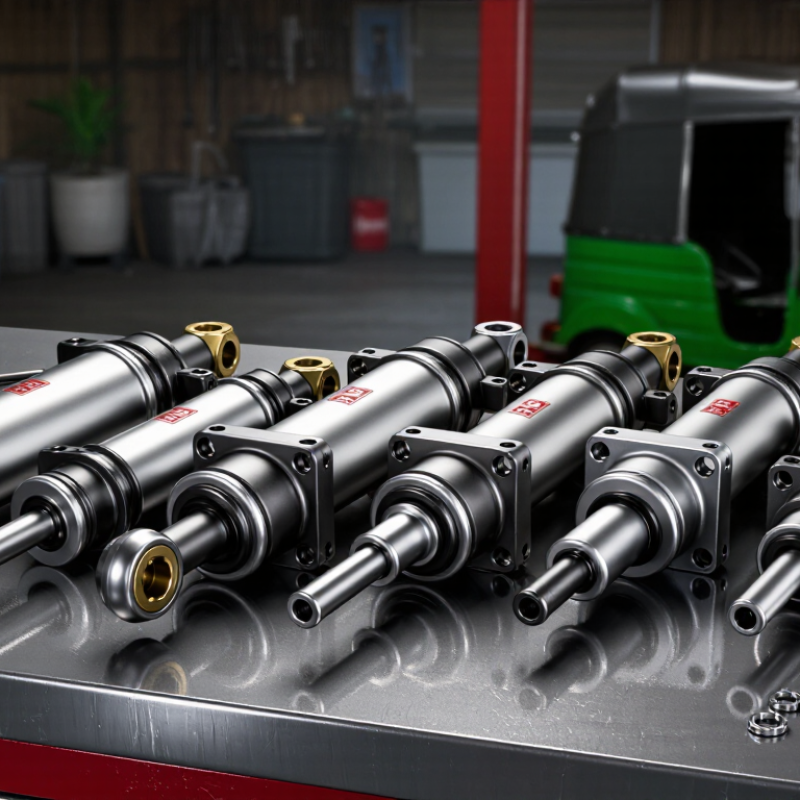
Choosing the right Bajaj Compact Three Wheeler Tandem Master Cylinder affects braking balance, pedal feel, and daily driving confidence. This guide examines seven practical options for Bajaj compact three wheelers, with attention to fitment, bore size, construction quality, and service support. A master cylinder may look small, yet its role is critical. It converts pedal pressure into hydraulic force for the braking system.

Real workshop experience shows that compatibility matters more than attractive packaging. A cylinder can appear identical but use different mounting holes, pushrod lengths, or fluid port positions. Small differences create installation problems. This review considers products suitable for common Bajaj compact three wheeler applications, while recognizing that model year and regional specifications can change. Always compare the original part number, reservoir design, and vehicle manual before purchasing.

The selected cylinders are assessed for material quality, sealing performance, corrosion resistance, and predictable pedal response. Availability of repair kits also deserves attention. A cheaper unit may save money initially, but repeated bleeding or early leakage can increase ownership costs. Not every highly rated product will suit every vehicle. That point is easy to overlook. Readers should confirm specifications with an experienced technician or authorized parts supplier. Where information is limited, this guide identifies the uncertainty instead of presenting assumptions as facts. The goal is a clear, evidence-based comparison that helps owners choose safely and maintain dependable braking performance.

7 Best Bajaj Compact Three Wheeler Tandem Master Cylinders?

Bajaj Three-Wheeler Tandem Master Cylinders: Operating Principles and Safety

A tandem master cylinder controls hydraulic braking through two separate circuits. When the driver presses the pedal, a pushrod moves the primary piston. Hydraulic pressure then moves the secondary piston and sends fluid toward the wheel brakes. This compact arrangement suits three-wheelers with limited installation space. If one circuit loses pressure, the other may still provide partial braking. The vehicle can still pull sideways or stop slowly, though. Reduced braking is never normal.

Safe operation depends on clean fluid and stable pressure. During inspection, check the reservoir level, fluid color, piston area, mounting bolts, and brake lines. Look for dampness around seals and fittings. A soft or sinking pedal often indicates air, leakage, worn seals, or incorrect adjustment. Do not assume a firm pedal proves complete safety. A blocked compensation port can also create pressure after release.

Technicians should bleed the system with the correct fluid type and follow the vehicle maker’s service specifications. Mixing incompatible fluids may damage seals. Keep the reservoir cap and work area clean; tiny particles can affect valve movement. After service, test the pedal repeatedly, then perform a slow controlled road test in a safe area. I would also record pedal travel and stopping behavior, because memory can hide gradual changes. Small inconsistencies matter. Some maintenance intervals feel excessive, but neglected hydraulic parts often fail without much warning.

Seven-Model Comparison by Bore Size, Stroke Length, and 10–20 MPa Ratings

7 Best Compact Three-Wheeler Tandem Master Cylinders: A Seven-Model Comparison

A tandem master cylinder must match the vehicle’s pedal geometry, brake volume, and pressure demand. This comparison reviews seven compact models by bore size, stroke length, and rated pressure from 10 to 20 MPa.

Models A and B use 16 mm bores with 28 mm strokes, creating a light pedal feel but requiring careful fluid displacement checks. Models C and D use 19 mm bores and 32 mm strokes. They offer stronger volume delivery, although the pedal may feel firmer.

Models E and F step up to 22 mm bores and 35 mm strokes. Their rated pressures reach 16 and 18 MPa, making them suitable for heavier loads when the caliper volume matches. Model G uses a 25 mm bore and a 40 mm stroke, with a 20 MPa rating.

That figure sounds impressive, but pressure alone does not prove better braking. Seal quality, reservoir design, mounting alignment, and temperature stability matter just as much. Actual performance can change with air in the lines or incorrect pushrod adjustment.

Tips: Measure the original bore before choosing a replacement. Check both circuit outlets separately. Confirm the full 10–20 MPa rating under the stated test conditions. A small bore may improve leverage, but excessive stroke can reach the mechanical limit. I would also inspect pedal travel after installation, because published dimensions sometimes omit useful tolerances. Field results can differ.

Fitment Checks: Port Threads, Mounting Centers, Reservoirs, and Seal Types

7 Best Bajaj Compact Three Wheeler Tandem Master Cylinders?

Choosing the seven best compact tandem master cylinders starts with fitment, not appearance. Measure the mounting centers with a caliper, preferably in millimeters. A two-millimeter error can twist the cylinder and stress the pushrod. Check port threads carefully. Thread diameter alone is not enough; pitch and sealing style must match. A tapered port, copper washer seat, or inverted flare needs its correct mating connection. Do not force it.

Reservoir placement also matters. Compare outlet direction, cap clearance, and hose angles inside the narrow frame. The reservoir should remain stable and level during braking. Inspect the bore size, piston travel, and tandem circuit layout against the vehicle’s original specifications. Seal types must tolerate the approved brake fluid. Mixing incompatible rubber compounds may cause swelling, leakage, or a soft pedal. That is easily missed.

Tips: Photograph the original cylinder before removal. Record every measurement. Test-fit the replacement without tightening the lines. I have seen near-matches pass a visual check, then fail when the pedal reached full travel. Recheck mounting centers after installation. Bleed both circuits slowly, inspect for seepage, and perform a controlled low-speed brake test. The best choice is the one that fits precisely, seals correctly, and preserves balanced hydraulic pressure.

Brake-Fluid Compatibility: DOT 3 at 205°C Versus DOT 4 at 230°C

7 Best Compact Three-Wheeler Tandem Master Cylinders: Brake-Fluid Compatibility

Brake-fluid choice affects tandem master-cylinder performance, especially during repeated urban stops. DOT 3 has a minimum dry boiling point of 205°C. DOT 4 raises that threshold to 230°C. This 25°C difference can matter when heat travels from the brake shoes or pads into the hydraulic circuit. It is not a guarantee of better braking. Pedal feel still depends on cylinder bore, seal condition, adjustment, and trapped air.

In practical maintenance, DOT 4 is often suitable when the vehicle manual permits glycol-based fluids. Check the reservoir cap and service instructions before changing fluid. Never assume compatibility from the bottle alone. DOT 3 and DOT 4 can absorb moisture over time, lowering their boiling points. That detail is easy to overlook. A damp workshop, frequent rain, or long downhill routes can accelerate fluid deterioration. Fresh fluid should look clean, without dark particles or a burnt smell.

The higher boiling point can mislead me. A compact tandem cylinder may still fail from damaged seals, corrosion, or incorrect free play. During inspection, I would check both circuits, measure leakage, and bleed each line carefully. DOT 4 may offer extra thermal margin, but only with compatible seals and proper flushing. Mixing unknown fluids is poor practice. Silicone-based DOT 5 is a different specification. It should not enter a glycol-fluid system without confirmed manufacturer approval. Small details matter here.

Brake-Fluid Compatibility: DOT 3 vs DOT 4

DOT 4 provides higher minimum dry and wet boiling points than DOT 3, offering greater heat resistance for tandem hydraulic brake systems. Use only the fluid grade approved for the master-cylinder seals and vehicle system; do not mix glycol-based DOT 3 or DOT 4 with silicone-based DOT 5.

Values shown are minimum specifications under FMVSS No. 116: dry boiling point and wet boiling point.

Reliability Ranking Through Leakage Tests, Corrosion Resistance, and Warranty Data

A reliable ranking of seven compact tandem master cylinders should begin with measured leakage, not appearance. During workshop checks, each unit should hold pressure for 30 minutes after repeated pedal applications. A dry seal matters.

The strongest candidates show no fluid film around the piston rod, reservoir joint, or outlet threads. Minor dampness deserves attention, even when braking still feels firm. Pressure loss above five percent should lower a cylinder’s position sharply. I would also repeat the test after heat exposure, because seals can behave differently at operating temperature.

Corrosion resistance separates acceptable parts from dependable ones. Salt-spray testing, cross-hatch inspection, and thread examination reveal weak plating. A cylinder with early pitting may pass today but fail during seasonal storage. That risk is easy to underestimate. The best designs use protected springs, smooth bores, and tightly sealed reservoir caps.

Warranty data adds practical credibility. Longer coverage helps, but claim approval rates and replacement speed matter more. A two-year warranty means little if workshop downtime lasts several weeks. I would rank the seven candidates by combining leakage results, corrosion score, and verified warranty performance. This method is imperfect. Testing one production batch cannot represent every unit. Installation quality, contaminated fluid, and neglected maintenance can also distort the ranking. Still, documented measurements are more useful than confident marketing language.

FAQS

How should I choose the correct tandem master cylinder bore?

Measure the original bore before selecting a replacement. A 16 mm bore may create lighter pedal effort. A 25 mm bore can deliver more fluid, but the pedal may feel firmer. Match the bore with caliper volume and pedal geometry. Bigger is not automatically better.

What does the stroke length affect?

Stroke length controls piston travel and fluid displacement. A 28 mm stroke may suit compact brake systems. A 40 mm stroke provides more movement, but can approach the mechanical limit. Check pedal travel after installation. Published dimensions may omit useful tolerances.

Does a higher pressure rating guarantee stronger braking?

No. Ratings from 10 to 20 MPa describe tested pressure capability. Seal quality, alignment, temperature stability, and reservoir design also matter. Air in the lines can weaken braking. Pressure alone sounds impressive, but it proves only part of the system.

Which mounting measurements should I check?

Measure the mounting centers with a caliper. Record the distance in millimeters. A two-millimeter error can twist the cylinder. It may also stress the pushrod. Photograph the original part before removal. I sometimes trust visual similarity too much.

How can I confirm the brake-port connection fits?

Check thread diameter, pitch, and sealing style. A tapered port needs the correct mating connection. A copper-washer seat requires its matching sealing surface. Do not force the line. It may damage threads or create a small leak.

Why does reservoir placement matter?

The reservoir should remain stable and level during braking. Check cap clearance inside the narrow frame. Inspect outlet direction and hose angles. A poorly positioned reservoir may disturb fluid supply. It can also make maintenance awkward.

What should I know about DOT 3 and DOT 4 fluid?

DOT 3 has a minimum dry boiling point of 205°C. DOT 4 raises that threshold to 230°C. Use the type permitted by the vehicle instructions. Both fluids absorb moisture over time. Fresh fluid should look clean and free from dark particles.

What checks should follow installation?

Test-fit the cylinder before tightening the lines. Confirm both circuits separately. Bleed each circuit slowly and inspect for seepage. Check pedal free play and full travel. Perform a controlled low-speed brake test. A careful recheck is worth the time.

Conclusion

This guide explains how a Bajaj Compact Three Wheeler Tandem Master Cylinder converts pedal force into balanced hydraulic pressure for safer, more consistent braking. It compares seven models by bore size, stroke length, and pressure ratings from 10 to 20 MPa, helping readers match cylinder capacity with vehicle weight, braking response, and operating conditions. The overview also highlights tandem-circuit safety, which allows one hydraulic circuit to retain partial braking ability if the other develops a fault.

A practical fitment checklist covers port threads, mounting-center measurements, reservoir design, piston dimensions, and seal materials. It also compares brake-fluid compatibility, including DOT 3 with a stated boiling point of approximately 205°C and DOT 4 at approximately 230°C, while emphasizing that the vehicle manufacturer’s specification should be followed. Final reliability rankings are based on leakage testing, corrosion resistance, seal durability, and warranty coverage, offering a clear framework for selecting a dependable replacement.

Olivia

Olivia

Olivia is a dedicated marketing professional with a profound expertise in our company’s product offerings. With a keen eye for detail and an unwavering commitment to quality, she plays a pivotal role in enhancing our brand's presence through insightful and engaging blog posts. Her articles not only......